Choosing Compassion Over Convenience: Declawed Cats in West Michigan
Choosing to adopt a cat is a compassionate act, but choosing to adopt a declawed cat is an exercise in compassion that extends beyond convenience.
This blog post delves into the realities faced by declawed cats in West Michigan and highlights the remarkable work of Second Chance Cats, a 501c3-certified nonprofit organization.
This organization is dedicated to giving at-risk cats, including those declawed, a second chance at life.
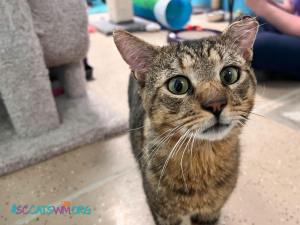
Despite the challenges and limitations they face, their dedication, community-oriented action, and deep empathy shine through in their mission.
As we navigate through this discussion, we’ll address the truths behind declawing, the unique needs of declawed cats, and why these felines deserve our understanding and love.
We hope this post will inspire you to reconsider declawing cats, choosing compassion over convenience, and making a difference in a feline’s life.
The Second Chance Cats of West Michigan Mission
Second Chance Cats of West Michigan, a recognized 501c3 nonprofit organization, is driven by compassion and dedication.
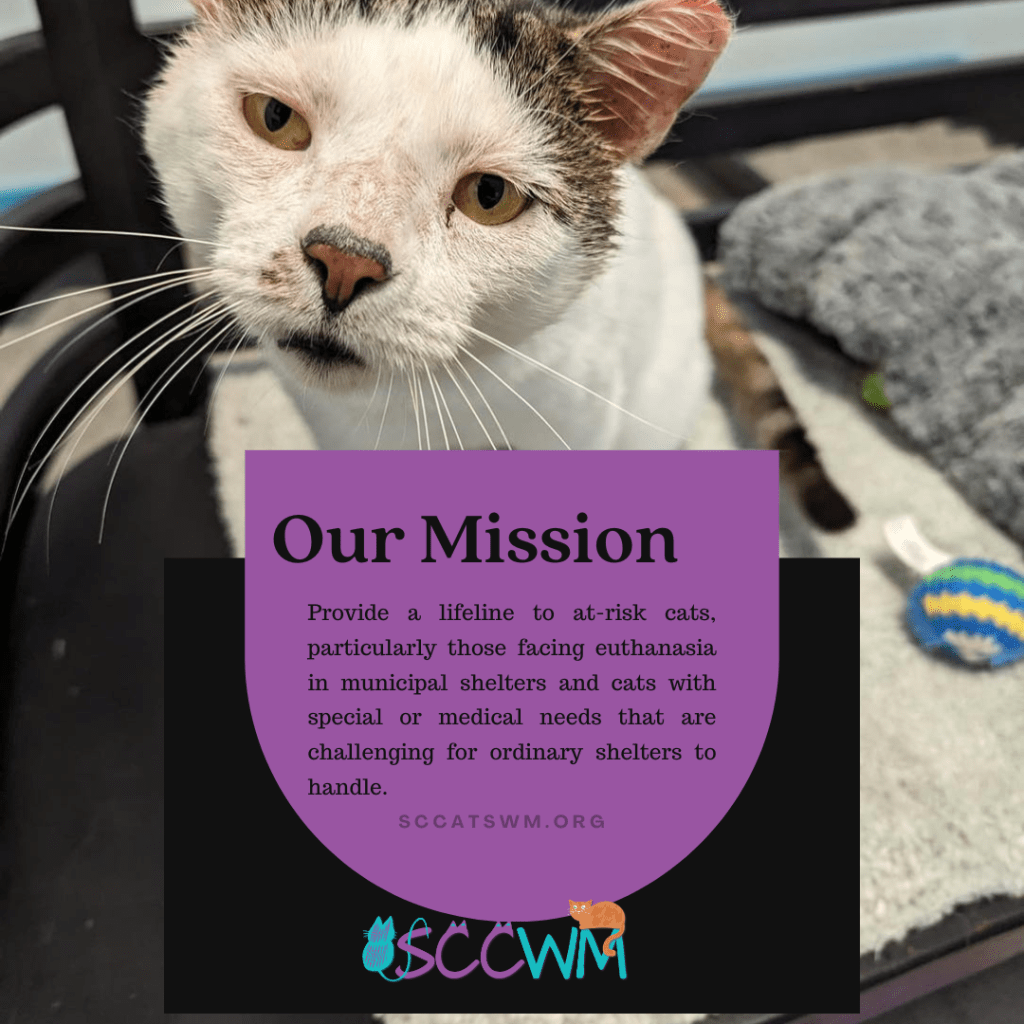
Their commitment goes beyond rescue.
They are devoted to preparing these cats for adoption, ensuring they are ready to find their forever homes. This includes declawed cats who, despite the controversy surrounding declawing, need loving homes as much as any other cat.
However, Second Chance Cats is forthright about their limitations. Due to factors like space and resources, they are unable to rescue stray cats from the streets or re-home cats.
Yet, despite these obstacles, their steadfast dedication to their mission is palpable in their relentless efforts. They also have an Adoption Process specifically designed for declawed cats, showing their understanding of these cats’ unique needs.
In essence, Second Chance Cats of West Michigan provides hope and a new beginning for the most vulnerable cats in the community.
Their mission, steeped in compassion, dedication, and community engagement, offers these cats a second chance at a life filled with care and love.
The Controversy Surrounding Declawed Cat Adoption
The decision to adopt declawed cats has long been a subject of controversy. While it may seem like a convenient option for potential cat owners, the practice of declawing is widely criticized due to its harmful effects on cats.
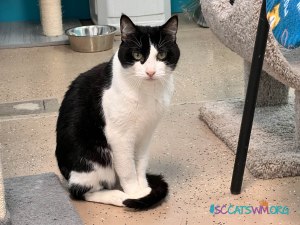
Declawing is not a simple nail-trimming procedure!
It’s an invasive surgery that involves the amputation of the last bone of each toe. OUCH!
This can lead to behavioral and health issues in cats, including pain, infection, tissue necrosis, lameness, back pain, and an increased likelihood of biting as a defense mechanism.
The American Veterinary Medical Association’s Policy on Declawing Cats strongly discourages the practice, advising it only when the cat’s claws pose a risk to the owner and all alternatives have been explored and exhausted.
Adopting cats that have been declawed may unintentionally contribute to the perpetuation of this inhumane practice. Instead, when choosing to adopt a cat, consider keeping its natural claws intact and using humane alternatives to address scratching behavior.
By doing so, potential adopters can actively oppose declawing and advocate for a more compassionate approach to feline care.
Thus, the convenience of adopting a declawed cat is overshadowed by the ethical implications and potential harm to the cat.
8 Compelling Reasons to Skip Cat Declawing!
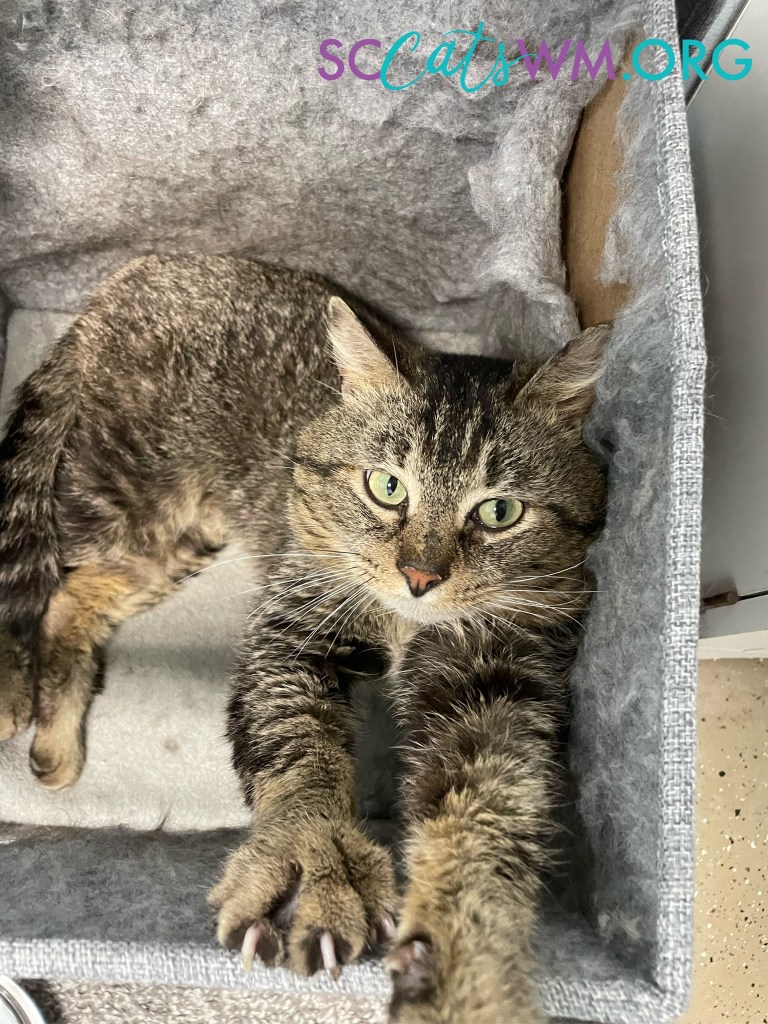
- Natural Behavior: Scratching is a natural behavior for cats. It helps them stretch their muscles, mark their territory, and keep their claws sharp and healthy.
- Defense Mechanism: Claws are a cat’s primary defense mechanism. If your cat accidentally gets outside, being declawed could leave them vulnerable to threats.
- Balance and Mobility: Cats use their claws for balance and mobility. Declawing can cause pain and discomfort, leading to changes in how they walk and potentially causing long-term damage.
- Behavioral Issues: Some studies show that declawed cats are more likely to develop behavioral problems like biting and inappropriate elimination, possibly due to the pain and stress associated with the procedure.
- Pain and Suffering: Declawing is not just nail removal; it’s the amputation of the last joint of each toe. This can lead to severe pain, infection, tissue necrosis, lameness, and back pain.
- Litter Box Problems: Declawed cats may associate the pain they feel in their paws when using the litter box post-surgery with the litter box itself. This can lead to long-term avoidance of the litter box.
- Alternatives Available: There are many alternatives to declawing, including scratching posts, nail caps, regular nail trimmings, and training.
- Ethical Reasons: Many animal welfare organizations, including the American Veterinary Medical Association, discourage declawing except as a last resort for severe behavioral issues.
Remember, claws are a crucial part of a cat’s identity and well-being. Before considering declawing, explore all the alternatives and understand the potential implications fully.

Supporting Second Chance Cats
Supporting Second Chance Cats of West Michigan can take many forms, each contributing significantly to their noble mission of rescuing at-risk cats.
- Donations: Monetary contributions directly fund the organization’s operations, aiding in medical care, shelter maintenance, and other necessary services. Every penny makes a difference in ensuring these cats receive the care they deserve.
- Volunteering: As a volunteer-based facility, Second Chance Cats greatly relies on the time and effort of compassionate individuals. Volunteers can assist in a variety of tasks, from fostering cats to helping out at the adoption center.
- Spreading Awareness: Sharing information about Second Chance Cats and the work they do can help attract potential adopters, donors, and volunteers. This could be as simple as word-of-mouth or sharing their initiatives on social media platforms.
- Education: By leveraging the resources provided by Second Chance Cats, like information about FIV+ Info, First Vet visits, Our Journey, etc., individuals can educate themselves and others about responsible pet ownership.
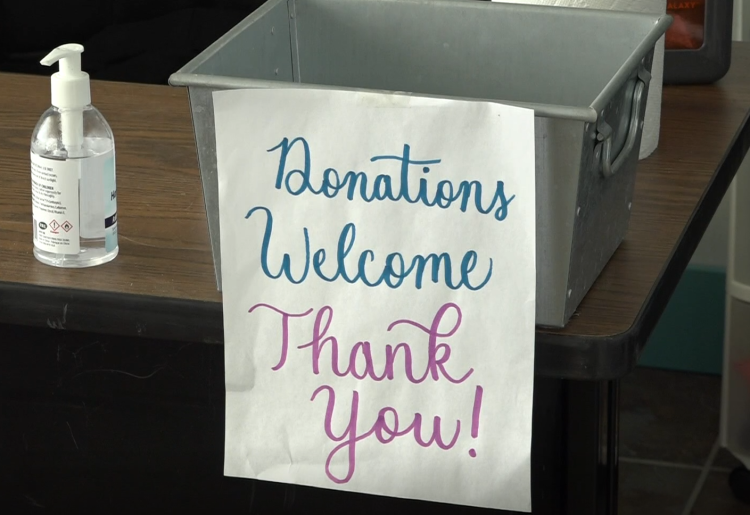
Everyone can play a role in supporting Second Chance Cats, helping to create a more empathetic community that values the lives of all its members, human or feline.
Choosing Compassion: The Truth About Adopting Declawed Cats in West Michigan – A Thoughtful Conclusion

Second Chance Cats of West Michigan, a 501c3 certified nonprofit, works tirelessly to rescue at-risk cats from municipal shelters and provide for those with special needs. They stand as a beacon for feline welfare, showcasing compassion and dedication in their mission.
Operating as a small, volunteer-based facility, their commitment shines through their endeavors. They tackle challenges head-on, such as not being able to take in stray or re-homed cats. Instead, they collaborate closely with area shelters and rescues, dedicating their adoption center to cats ready for loving homes.
In addition, Second Chance Cats strongly advocates against declawing, promoting the adoption of clawed cats.
They educate the community about the health implications and ethical concerns surrounding declawing, emphasizing the importance of providing clawed cats a safe and loving home.

Their transparency, honesty, and community-oriented approach underpin their invaluable contribution to the West Michigan community, setting them apart as a compassionate and dedicated advocate for vulnerable felines.
 Second Chance Cats of WM