At Second Chance Cats of West Michigan, we prioritize the well-being of cats and kittens, recognizing the risks behind the seemingly benign “free kittens” offers.

These situations often result in neglect and abuse, with animals being denied necessary medical care.
We aim to provide these felines the care they deserve and promote informed pet adoption.
- The True Cost of ‘Free’
- Health and Safety Concerns
- Ethical Considerations
- Responsible Adoption Practices
- Free Kittens Conclusion
The True Cost of ‘Free’
The Devaluation of Animal Lives

For those involved in rescue and trap-neuter-return efforts, seeing a “Free Kittens” sign is disheartening. Offering animals for free devalues their lives, implying that they are without worth.
This can lead to snap decisions by individuals who may not be equipped to care for the animals properly, resulting in a cycle of neglect and abandonment.
The Impulse Adoption Problem

Dealing with impulse adoptions is a significant concern regarding free animals. Cats taken home on a whim are often abandoned once the novelty wears off, contributing to a surplus of breeding cats on the streets.
Also, the lack of proper medical care for these animals poses health risks and perpetuates the cycle of overpopulation.

Free animals may not have received necessary vaccinations, deworming, or spaying/neutering, putting both their lives and the community at risk.
Lives can be saved by raising awareness about the dangers of adopting free animals.
Encouraging responsible adoption practices, such as getting pets fixed and providing proper veterinary care, is crucial in combating the issue of unwanted animals in our communities.
Health and Safety Concerns
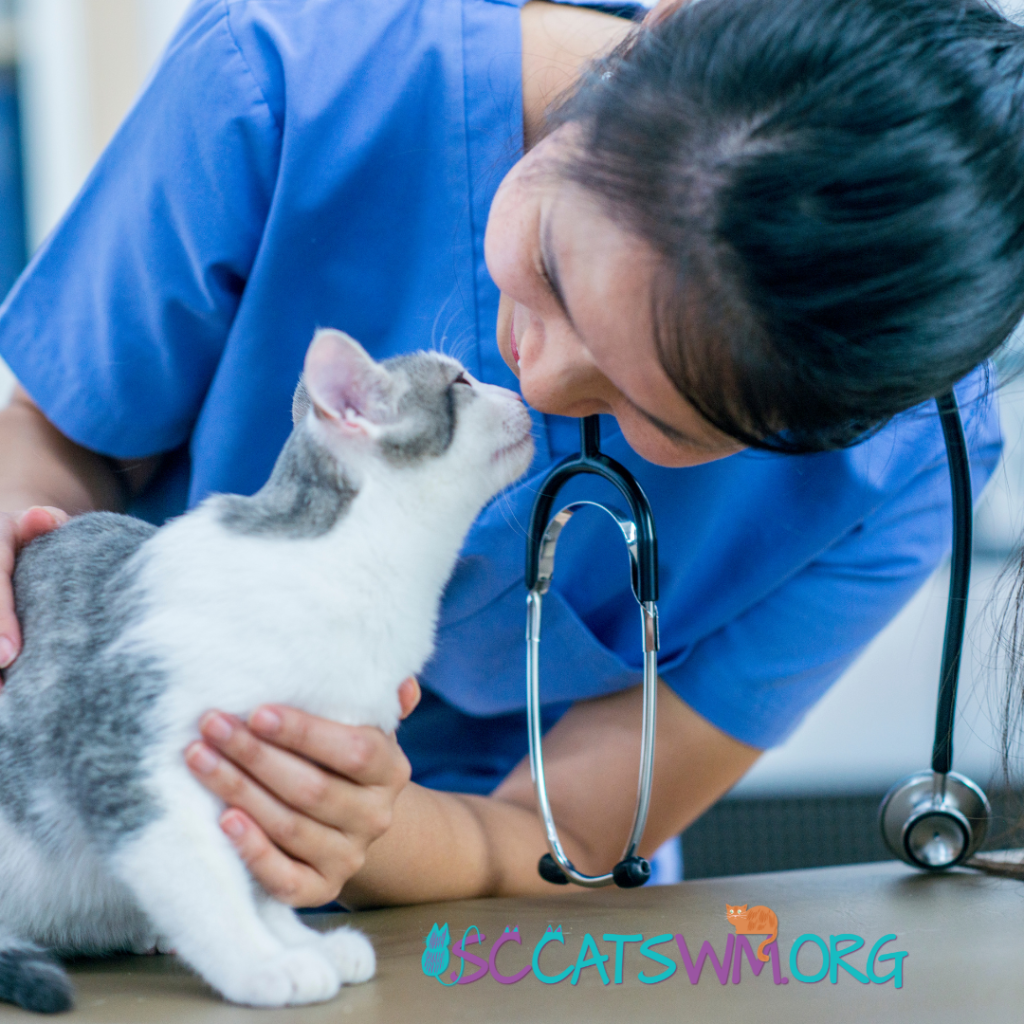
Lack of Initial Veterinary Care
Care must be taken when considering adopting a free cat, as these animals have often not received proper veterinary care.
This lack of initial care can lead to various health issues down the line, including untreated worms, fleas, and infections. Free kittens may not have been dewormed, vaccinated, or tested for feline leukemia and FIV, risking their health.
Risks of Non-Spayed/Neutered Pets
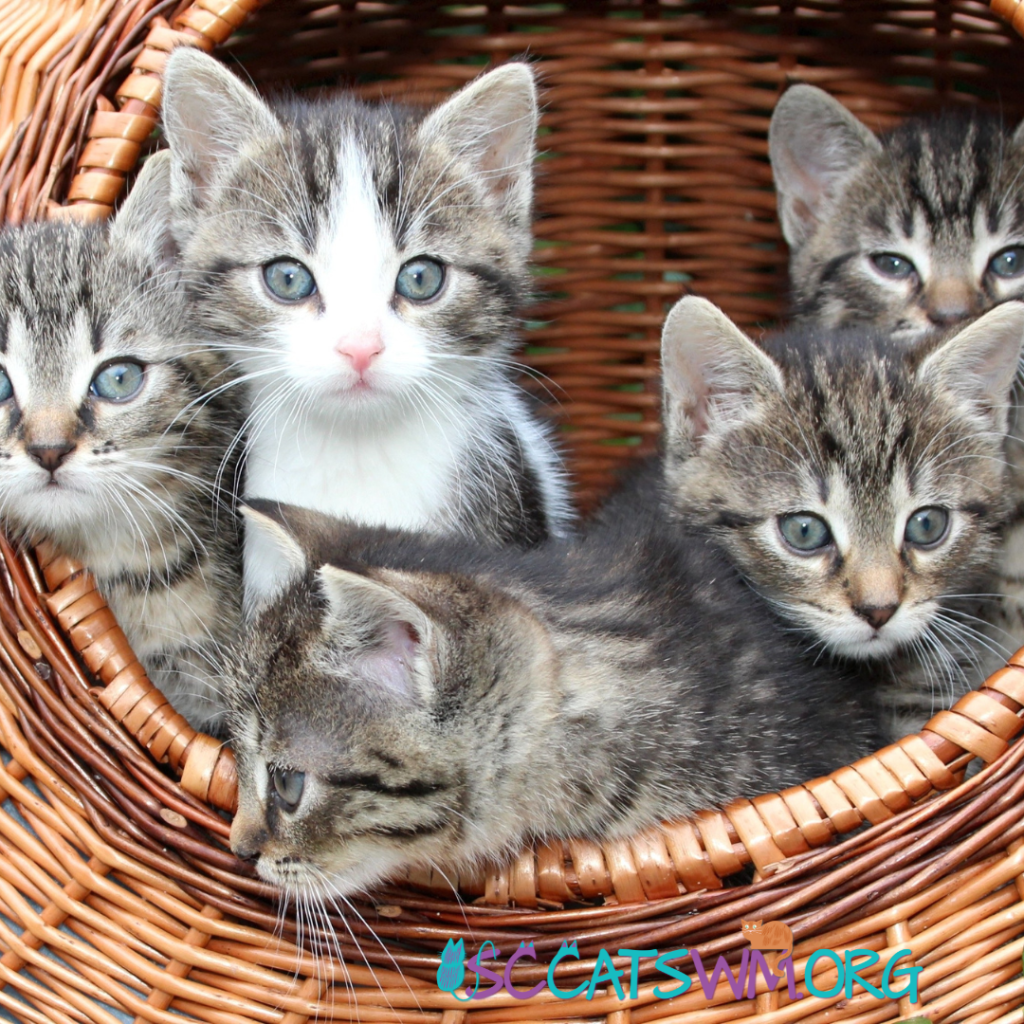
Non-Spayed Neutered pets, especially those given away for free, pose a significant risk to the community and the individual animal.
Unfixed cats can contribute to overpopulation, leading to breeding cats running amok and causing havoc. Additionally, non-spayed/neutered pets are at a higher risk of certain health issues and behavioral problems.
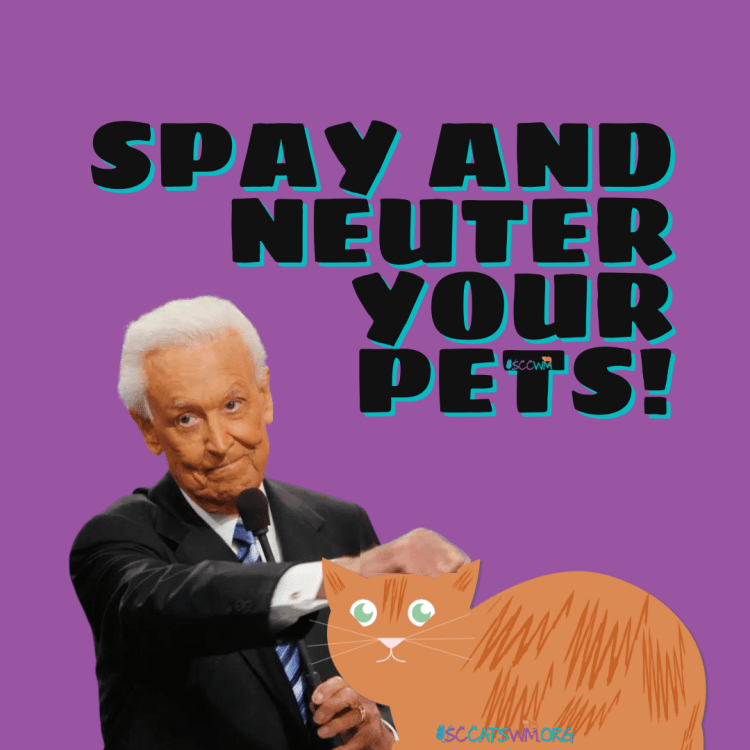
Even the Feral Ones!
The importance of spaying and neutering cannot be overstated. Not only does it prevent unwanted litters and reduce the number of homeless cats, but it also has numerous health benefits for the individual animal.
Spayed and neutered cats are less likely to roam, spray, or exhibit aggressive behaviors. By choosing to adopt a spayed or neutered cat, you are not only providing a loving home for a deserving animal but also contributing to the overall welfare of the feline population.
Ethical Considerations
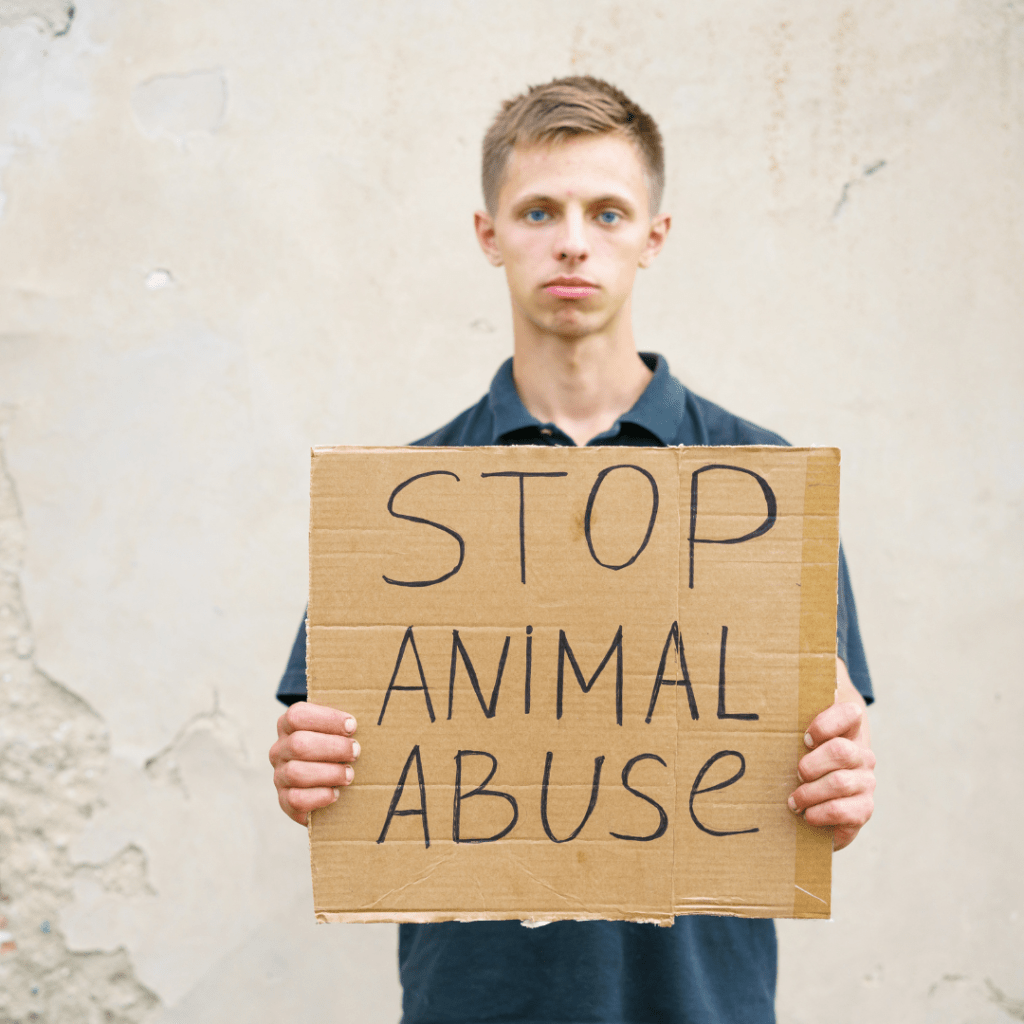
The Potential for Animal Abuse
Abuse is a severe concern when it comes to taking in free cats. When animals are given away for free, they can fall into the hands of unscrupulous individuals who may have malicious intentions.
Cats obtained for free are at risk of being sold to animal testing labs, used as snake food, or even as bait in dogfighting rings. This puts the innocent creatures in great danger and perpetuates a cycle of suffering.
Responsible Adoption Practices
The Benefits of Adoption Fees
Your decision to adopt a cat is noble, but it is essential to understand the significance of adoption fees. Adoption fees serve multiple purposes, including covering basic medical costs such as spaying, neutering, vaccinations, and deworming.
They also ensure that the cat is going to a committed and responsible owner willing to invest in their new furry friend’s well-being.
Seeking Reputable Rescue Organizations
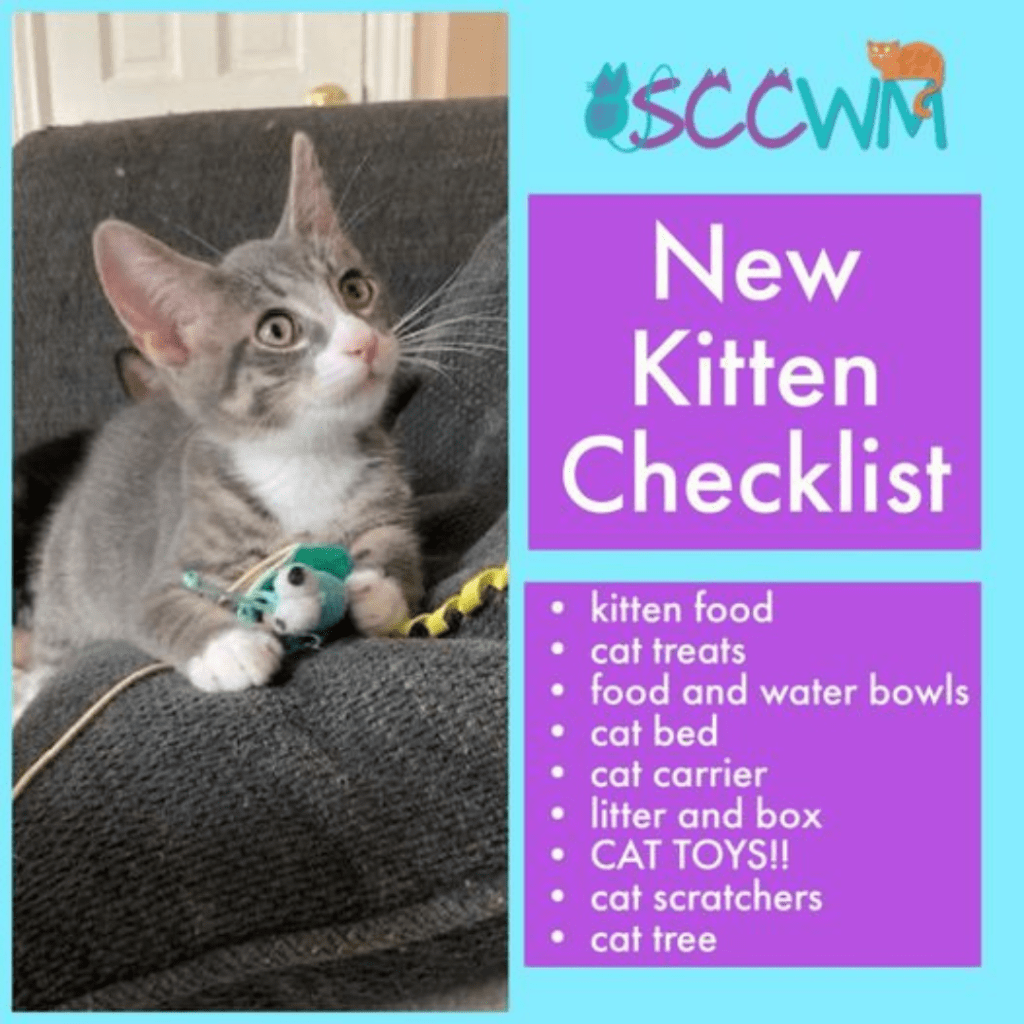
When adopting a cat, it is crucial to seek reputable rescue organizations. Thorough research on the organization’s reputation, adoption processes, and animal care is vital. Working with a trustworthy rescue guarantees that you are getting a healthy and well-cared-for cat and contributes to the overall well-being of animals in need.
By adopting through reputable organizations, you are helping to ensure that the cat receives the necessary care and attention before joining your family.
Free Kittens Conclusion
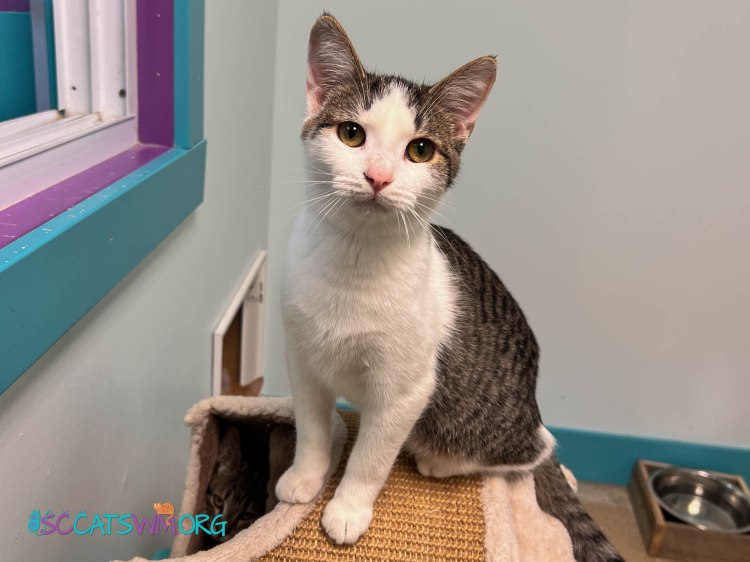
Considering these factors, it becomes clear that obtaining a free kitten may not serve the best interests of the animal’s well-being. Second Chance Cats of West Michigan has directly observed the unfortunate consequences often associated with such choices.
Ultimately, free distribution usually leads to cats being undervalued and placed in unsafe or neglectful situations.
Consider adopting a Second-Chance Cat whose medical needs have been meticulously addressed. This will offer the cat a fresh start away from neglectful or unsafe environments with the assistance of compassionate individuals.
 Second Chance Cats of WM
This insightful article sheds light on the hidden risks of adopting free kittens, emphasizing the importance of responsible adoption practices to ensure feline well-being.
LikeLike