Ever caught your cat sniffing your snack or pawing at your plate?
You’re not alone!
Cats love to explore, and that includes tasting things they shouldn’t. While some foods are harmless, others can be dangerous—or even deadly. As a caring cat parent, it’s important to know what’s safe and what’s not.
Here are 21 of the most frequently asked questions about what cats can and cannot eat. This way, you’ll always know what’s okay to share. You’ll also learn what to keep to yourself!
Can cats eat eggs?

Yes – eggs are generally safe for cats if they are fully cooked and given in moderation.
In fact, cooked eggs can be a good source of animal protein for cats. However, you should never feed raw eggs due to the risk of Salmonella or other bacteria, and eggs should only be an occasional treat
Can cats have peanut butter?
It’s not recommended.
While plain peanut butter isn’t outright toxic to cats (as long as it doesn’t contain xylitol), it provides no nutritional advantage and is high in fat and calories. Veterinarians note that peanut butter is essentially “empty calories” for cats and can even pose risks (like choking or digestive upset), so it’s best to keep it away from your kitty
Can cats eat bananas?
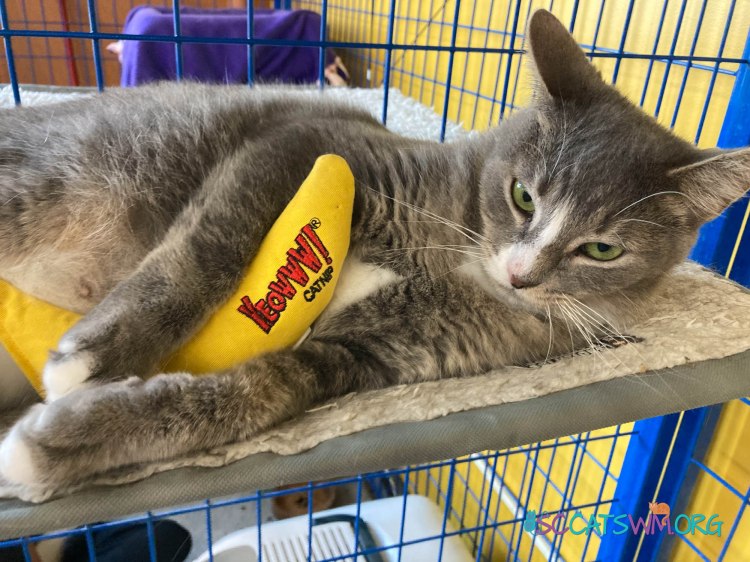
Yes – in small amounts. Bananas are considered safe for cats to nibble on occasionally since they are non-toxic.
Keep in mind that cats are carnivores and don’t need fruits in their diet, so too much banana (which is sugary) might cause digestive upset. Always remove the peel and offer only a small bite as a treat.
Can cats eat chocolate?
No. Chocolate is dangerous for cats just as it is for dogs.
It contains theobromine and caffeine, substances that are toxic to cats and can cause symptoms ranging from vomiting to seizures. Even a small amount of chocolate can potentially make a cat very sick, so be sure to keep chocolate out of reach of your pets.
Can cats eat cheese?
Only in very small amounts.
A tiny piece of cheese as a rare treat or to hide a pill is generally safe for most cats. However, many cats are lactose intolerant, so dairy like cheese can cause digestive upset (vomiting or diarrhea) if they eat too much. Stick to an occasional small nibble of plain cheese, and avoid giving cheese if you notice it bothers your cat’s stomach.
Can cats eat blueberries?
Yes – blueberries are safe for cats as an occasional treat.
This fruit isn’t toxic to cats, and in fact, blueberries are sometimes used in commercial cat foods.
Vets advise only offering a couple of blueberries at a time because they are high in sugar, and to consider them an occasional snack. As always, make sure the berries are fresh, plain, and washed before your cat tries them.
Can cats eat watermelon?
Yes – cats can safely eat a little bit of watermelon.
The flesh of seedless watermelon (with the rind removed) is non-toxic and fine for cats to have as a treat. Just remember that cats are carnivores, so fruits like watermelon should be given only in moderation. Also, remove any seeds and don’t let the cat chew the rind, to prevent any choking or stomach upset.
Can cats eat strawberries?
Yes – strawberries are generally safe for cats in small quantities.
They are not toxic to cats, but they are high in natural sugars and don’t provide any critical nutrients that cats require. Because of the sugar content, it’s best to offer only a small piece of strawberry occasionally, and always remove the stem and leaves.
Can cats eat tuna?
In moderation, yes, but with caution.
Tuna formulated in cat food is perfectly fine, but tuna intended for human consumption (such as canned tuna) should be reserved as a rare treat.
Consuming too much tuna (especially canned tuna packed in water or oil) can lead to nutritional imbalances and health issues in cats. For example, excessive tuna can cause vitamin E deficiency and other problems. An occasional small bite of plain tuna is okay, but it should not replace a properly balanced cat diet.
Can cats eat apples?
Yes – the flesh of an apple is safe for cats to eat in small pieces.
Make sure to remove the core, seeds, and stem, as those parts can be harmful. According to the ASPCA, pieces of apple (along with other fruits like bananas and blueberries) are safe to give as a treat, as long as they are cut into bite-sized pieces and any seeds or peelsare avoided. Remember that fruit is just an occasional snack for cats, not a substitute for their meat-based food.
Can cats eat rice?
Yes – plain, cooked rice is not toxic to cats.
A small amount of cooked rice can be given to a cat and is sometimes used to help with diarrhea. However, rice doesn’t provide any essential nutrition for cats (who are obligate carnivores), so while a few bites of plain rice won’t hurt, it should only be fed sparingly. Always make sure the rice is fully cooked and unseasoned if you offer it.
Can cats eat carrots?
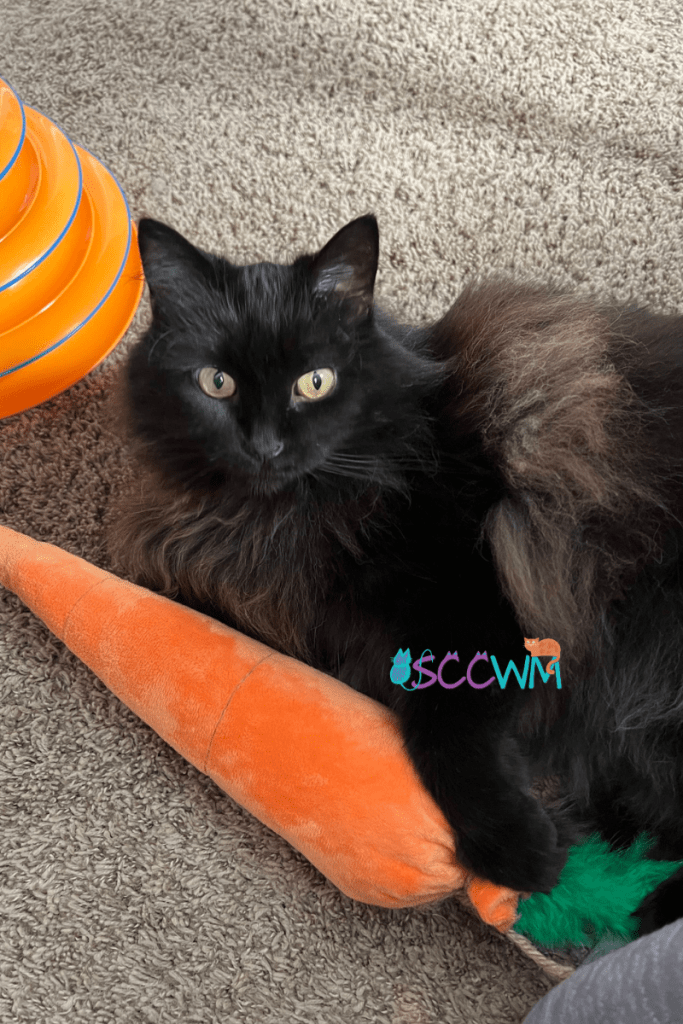
Yes – cats can eat carrots as a safe snack.
In fact, vets often list carrots among the vegetables that are fine for cats, as long as they’re prepared properly.
It’s best to serve them cooked (steamed or boiled with no seasoning) or very finely chopped, because raw carrots can be a choking hazard or difficult to digest. While carrots contain vitamins, remember that cats primarily need meat in their diet.
Can cats eat dog food?
A nibble won’t do harm, but it’s not a good idea for a meal.
If a cat steals a few bites of dog food, it isn’t toxic and won’t cause immediate issues. However, dog food is not nutritionally adequate for cats – it lacks the high levels of protein, taurine, and specific vitamins that cats require. While a small amount is safe, a cat should not be fed dog food regularly or as a substitute for proper cat food.
Can cats eat raw meat?
It’s not recommended. Raw meat may seem natural for a carnivore, but it can carry harmful bacteria and parasites that could make your cat (and you) sick. The ASPCA warns that raw meat and eggs can contain Salmonella and E. coli, which are dangerous to pets. If you want to feed your cat meat, it’s safer to give it plain, cooked meat without seasoning. Always consult a veterinarian if considering any form of raw diet, as it involves significant health risks.
Can cats eat ice cream?
It’s best to avoid it.
A tiny lick of plain vanilla ice cream isn’t likely to poison your cat and might be tolerated in some cases , but cats are lactose intolerant, and ice cream is full of dairy and sugar. Eating ice cream can cause stomach upset (like diarrhea or vomiting) in cats. Additionally, many ice creams contain flavors or additives (such as chocolate or xylitol-sweeteners) that are dangerous for pets. In short, ice cream isn’t a healthy choice for cats.
Can cats eat grapes?
No – grapes (and raisins) are known to be toxic to pets.
While most reported cases of grape toxicity involve dogs, cats are also susceptible to potentially developing kidney failure from eating grapes or raisins. There’s no safe amount of grapes for a cat, so it’s best to keep grapes and raisins far away from them at all times.
Can cats eat yogurt?
Yes, in small amounts of plain yogurt.
Many cats can handle a spoonful of plain, unsweetened yogurt as a treat because the fermentation process breaks down some of the lactose. Veterinarians note that a small amount of yogurt is generally acceptable for cats, but it should be plain (without sugary fruit flavors or artificial sweeteners) and given only occasionally. Avoid any yogurt that contains xylitol, and remember that excessive dairy intake can still cause digestive upset in cats.
Can cats eat bread?
Plain-baked bread is not toxic to cats.
If your cat sneaks a small piece of bread, it shouldn’t cause harm. That said, bread is basically empty calories for cats – it contains no meat protein, which is what cats truly need. So while a bite of plain bread won’t hurt, it’s not beneficial either. Never give raw yeast dough (which is dangerous, as it can expand in the stomach), and avoid breads with garlic, onions, or xylitol which are toxic to cats.
Can cats eat peanut butter and jelly?
No – this combination should be avoided.
Peanut butter on its own isn’t healthy for cats, and adding jelly makes it even worse. The sweet jelly can contain unsafe ingredients (for example, grape jelly is toxic, and sugar-free jelly may contain xylitol). As PetMD puts it: do not feed cats peanut butter and jelly, because peanut butter is high in fat and often has harmful sweeteners, and jelly adds more sugar and potential toxins
petmd.com. In short, a PB&J is not a cat-friendly snack.
Can cats eat popcorn?
Yes, if it’s plain air-popped popcorn and given carefully.
Plain, unsalted, unbuttered popcorn is not toxic to cats and some cats might enjoy batting around the pieces. The ASPCA notes that air-popped popcorn can be a light and safe treat for pets, provided it is avoided with excess fat and salt. However, popcorn kernels can be a choking hazard or get stuck in teeth, so it’s best to offer only fully popped pieces. It’s also wise to supervise your cat. Popcorn should be an occasional fun treat, not a regular food.
Can cats eat human food?
It depends on the food.
Some human foods are safe for cats in moderation, while many others can be harmful. For example, plain cooked meat or certain fruits (such as those mentioned above) can be given as occasional treats. However, many common human foods – such as chocolate, grapes, onions, and caffeinated drinks – are toxic to cats. Many others are simply not nutritionally suitable. In general, you should be very cautious with “people food.”
According to veterinary experts, while a few human foods are OK for kitties, many should never be given to cats. It’s best to stick mostly to a balanced cat diet and only offer vet-approved human snacks in small amounts.
Human Food that Cats Can and Cannot Eat Conclusion
Feeding your cat the right food keeps them healthy and happy. When in doubt, stick to cat-safe treats and ask your vet. Cats are family, and they count on us to keep them safe—even at snack time! 🐱💚
 Second Chance Cats of WM