Why Do Cats Make Biscuits? Understanding Your Cat’s Kneading Behavior

If you’ve ever watched your cat rhythmically push one paw against a soft blanket, and then the other paw, you’ve seen one of the most endearing feline behaviors.
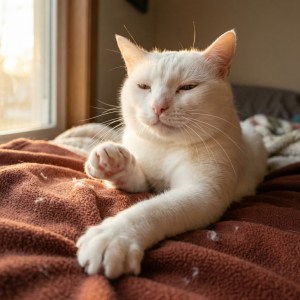
White and orange cat making biscuits on brown blanket in sunny window demonstrating kneading behavior

They do this on your lap or their favorite sleeping spots. It’s called making biscuits.

This charming phrase describes the kneading action cats perform by pressing their paws alternately against a soft surface, resembling kneading dough for bread.

At SCCatsWM, we see this delightful behavior in cats of all ages and backgrounds, from tiny kittens in foster care to senior cats finding their forever homes. Understanding why your cat kneads can help you better appreciate the unique ways our feline friends communicate comfort, trust, and affection.

But why do cats knead? And what does this behavior really mean? Let’s explore the fascinating reasons behind why cats make biscuits and what your cat is trying to tell you.

The Origins: A Behavior That Starts in Kittenhood

Kneading begins very early in life. When kittens nurse from their mother cat, they instinctively knead their mother’s belly with their front paws. This gentle massaging motion helps stimulate milk production and encourages milk flow, ensuring the kitten receives the nourishment they need. The behavior is deeply tied to survival, comfort, and the bond between mother and babies.

Research on feline maternal care and pheromones shows that pheromones released around the mammary glands help facilitate bonding and communication between mother cats and their young. This early association between kneading, warmth, safety, and nourishment creates a powerful positive memory that many cats carry into adulthood.

Even after weaning and separation from their mother, many cats continue to knead throughout their lives. An adult cat kneading soft objects, blankets, or even you is often revisiting those comforting feelings from kittenhood.

What “Making Biscuits” Really Means

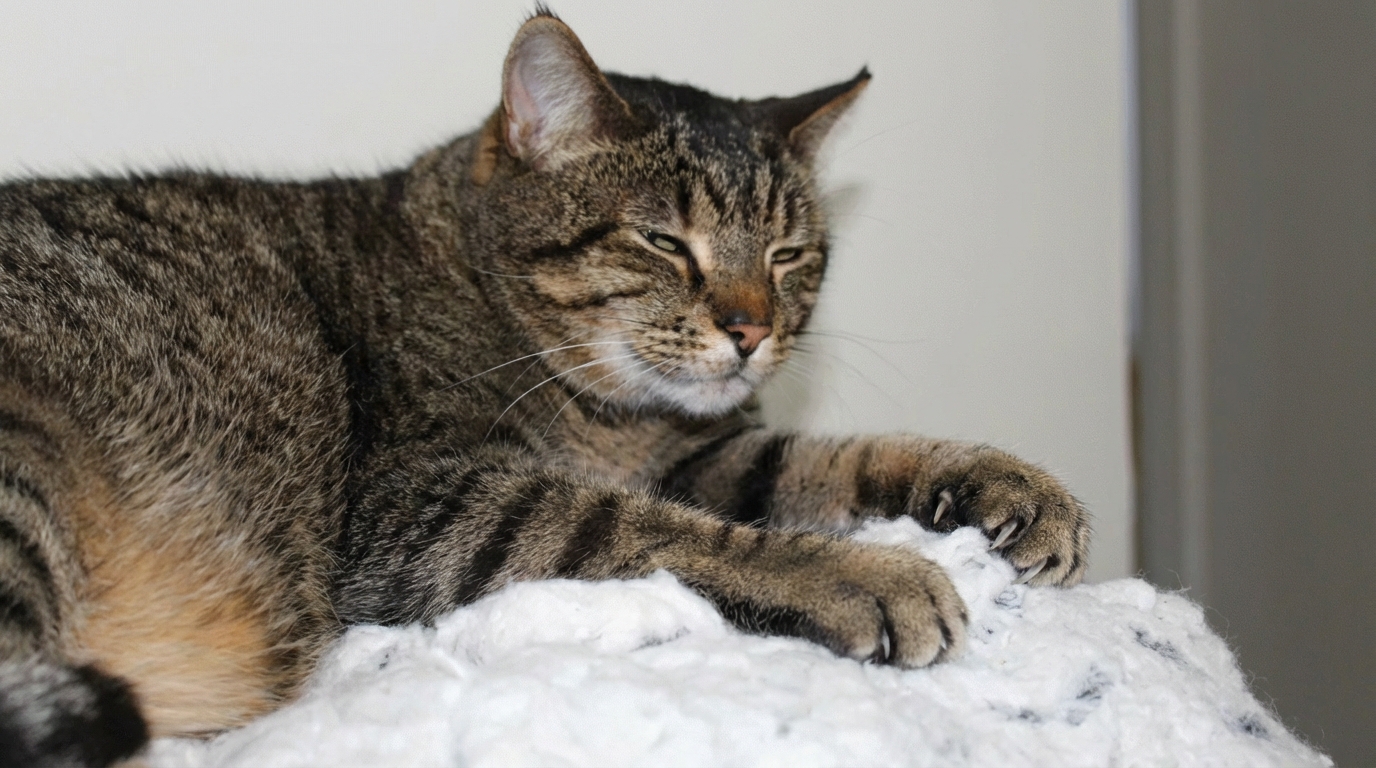
Gray cat with relaxed expression kneading soft gray blanket with extended paws showing pink paw pads demonstrating making biscuits behavior

The term “making biscuits” comes from the motion’s resemblance to kneading dough. Online communities have embraced this playful terminology, sometimes calling it “making muffins” or jokingly referring to cats as “murder muffins” when those sharp claws come out during the process. But regardless of what we call it, cat kneading serves several important purposes for domestic cats.

😺 Sign of Contentment and Affection

When your cat kneads you, it’s often a sign of affection and contentment. Cats typically knead when they feel safe and happy. Many cats also purr while kneading, further indicating a relaxed, positive emotional state. If you notice your cat kneading on your lap, consider it a compliment. Your cat is showing that they feel secure and comfortable with you.

Animal behaviorists and veterinary experts consistently list kneading among the ways cats show affection to their human companions. The behavior demonstrates trust and a deep bond between pet owners and their feline friends.

😺 Marking Territory with Scent

Cats have scent glands in their paw pads, and when they knead, they’re also marking territory. Each time your cat presses their paws against you or an object, they deposit their unique scent. This is your cat’s way of showing that they “own” you or that space.

Understanding how cats use pheromones and scent glands for communication helps explain why cats seem so intentional about where and when they knead. It’s not just about comfort; it’s also about claiming what’s theirs.

😺 Preparing a Comfortable Resting Spot

“Is there room for me?” – Percy

Another theory about why cats knead relates to their wild ancestors. Feline ethology research suggests that wild cats knead soft surfaces, such as grass or leaves, to create a comfortable, safe place to rest or give birth. Modern cats have retained this instinctual nesting behavior, which explains why your cat may knead their cat beds or a soft blanket before settling down for a nap.

😺 Stretching and Physical Comfort

Kneading may also serve a physical purpose. The kneading action allows cats to stretch the muscles in their paws, legs, and back, similar to how we might stretch before bed. Some veterinary professionals suggest that cats push against surfaces to relieve tension and maintain flexibility in their limbs.

When Kneading Might Signal a Problem

Cat being examined by veterinarian during checkup to assess excessive kneading behavior and potential health concerns

While kneading is a natural behavior, excessive kneading or sudden changes in kneading behavior may indicate an underlying issue. If your cat suddenly starts kneading more than usual, or if the cat’s kneading becomes compulsive, it’s worth consulting with your veterinarian or visiting your local veterinary hospital.

Some cats may knead excessively when experiencing stress, anxiety, or even physical discomfort. Veterinary behavioral specialists note that while kneading typically indicates happiness, significant changes in the behavior warrant professional attention. Your veterinary team can help determine if medical or behavioral intervention is needed.

Additionally, if your cat’s kneading is accompanied by other unusual behaviors, such as when cats suckle on a blanket while kneading (a behavior sometimes seen in cats weaned too early), or if your cat doesn’t knead at all when most cats do, discussing these observations with your veterinarian can provide peace of mind.

Managing the “Sharp” Side of Biscuit-Making

While cat kneading is adorable, those sharp claws can make the experience less pleasant for humans. Here are some practical ways to enjoy your cat’s affection without the pain:

Person gently trimming relaxed tabby cat's nails with clippers on lap to manage sharp claws during kneading sessions
  • Keep your cat’s nails trimmed: Regular nail trimming reduces discomfort during kneading sessions. If you’re unsure how to trim your cat’s claws safely, ask your veterinary team for guidance.
  • Place a thick blanket on your lap: A soft barrier protects your skin while still allowing your cat to knead comfortably.
  • Redirect to appropriate surfaces: If you want your cat to knead elsewhere, gently move them to a designated cat bed or cushion.
  • Don’t punish the behavior: Never try to forcefully stop a cat from kneading by pushing them away harshly. Kneading is a natural, instinctual behavior, and your cat is expressing trust and affection. Instead, manage the situation by redirecting or protecting yourself.

Does Every Cat Knead?

Not all cats knead with the same intensity or frequency. Some cats knead constantly, while others may knead only occasionally or not at all. This variation is completely normal. A cat that doesn’t knead isn’t less affectionate; they simply express their feelings differently.

Gray and white tabby cat lying upside down on cat tree platform at Second Chance Cats showing relaxed stretching behavior

Factors that influence kneading behavior include:

  • Early weaning or separation from the mother cat
  • Individual personality and temperament
  • How the cat feels in their environment
  • Breed tendencies (though this varies greatly)

Cats differ significantly in their comfort behaviors, and even among felines, there’s remarkable diversity in how they show contentment.

Embracing the Biscuit-Making Experience

Understanding why cats “make biscuits” deepens your bond with your feline companion. This kneading behavior connects your adult cat to their earliest memories of safety, warmth, and maternal care. When your cat kneads you, they’re essentially saying,

Content black and white cat with relaxed expression being gently petted by owner on soft blanket showing trust and affection through kneading behavior

“You make me feel the way my mother did: safe, loved, and at home.”

Since kneading is such a positive behavior, embrace these moments. Many cats use all four paws when they’re particularly happy, and cats also alternate paws in that distinctive rhythmic pattern that makes the behavior so mesmerizing to watch. Some cats push especially hard when they’re deeply relaxed, while others use a gentler touch.

Your cat may always knead in the same spot, knead before sleeping, or surprise you with spontaneous biscuit-making sessions. Regardless of when and where it happens, remember that this is their way of showing that they feel secure and content in their home with you.

When to Contact Your Veterinary Hospital

While this article has covered the normal reasons behind cat kneading, it’s important to consult with professionals at your local animal hospital or veterinary hospital if you notice:

  • Your cat suddenly starts kneading excessively or compulsively
  • Kneading is accompanied by signs of distress or pain
  • Significant changes in your pet’s overall behavior
  • Any concerns about your cat’s physical or emotional well-being

Your veterinarian can provide personalized guidance based on your cat’s individual needs and help ensure your feline friend stays healthy and happy.


The next time you notice your cat pressing their paws against you in that familiar kneading motion, take a moment to appreciate this ancient feline ritual. Your cat is giving you a massage, marking you as theirs, preparing to relax, and ultimately telling you that you’ve created a home where they feel safe and happy. That’s the real magic behind why cats make biscuits, and it’s a beautiful way for cats to deepen your bond with one of nature’s most fascinating companions.

Supporting Cats in Our Community

At SC Cats, we’re dedicated to helping cats find the love and security that encourages all those wonderful behaviors like biscuit-making. Through our foster program, adoption services, and community resources, we work to ensure every cat in Southwestern Michigan has the opportunity to experience the comfort and safety that leads to happy purring and contented kneading.

If you’re looking to add a feline friend to your family, or if you want to support cats in need through volunteering or donations, visit our cat adoption page to learn how you can make a difference in a cat’s life.

Every cat deserves a home where they feel secure enough to make biscuits.

Map of West Michigan showing Second Chance Cats of WM’s adoption radius centered around Grand Rapids, with illustrated cats and the text “Adoption Radius.”
We’re so excited to help cats find their forever homes, but adoptions are limited to our service area in West Michigan. This map outlines the radius around Grand Rapids where we can place our rescue cats.

9 Perfect Gifts for Your Cat and Shelters

That You Can Also Send to Second Chance Cats

The holidays are the perfect time to spoil your favorite feline and help cats still waiting for their forever homes. This year, many gifts on your cat’s wishlist can do double duty.

Why not treat your own kitty to something special, then send the same gift straight to Second Chance Cats of West Michigan to brighten the holidays for adoptable cats in the lounge.

Plus, all proceeds from the affiliate links in this guide go directly to Second Chance Cats to support their life-saving work.

Continue reading “9 Perfect Gifts for Your Cat and Shelters”

Understanding Bonded Pairs: Why They Matter

When cats form a deep friendship, they become inseparable. At Second Chance Cats of West Michigan, we’ve seen shy newcomers blossom thanks to the comfort of a feline best friend.

In this post, we’ll explore bonded pair cats: what they are, why keeping them together matters, and how adopting them can fill your home with double the love.

Continue reading “Understanding Bonded Pairs: Why They Matter”

Science Proves Cats Are the Purrfect Companions

Cats have a special way of brightening our lives. Our feline friends bring comfort and joy. From the gentle rumble of a purr to an endearing head bump, their ways sometimes feel almost magical.

It turns out that what cat lovers think in their hearts is also backed up by science!

Researchers have been studying the benefits of owning cats. Their findings confirm what we at Second Chance Cats of West Michigan see every day.

Cats truly are the purr-fect companions for a happier, healthier life.

Continue reading “Science Proves Cats Are the Purrfect Companions”

21 Foods Cats Can and Cannot Eat

Ever caught your cat sniffing your snack or pawing at your plate?

You’re not alone!

Cats love to explore, and that includes tasting things they shouldn’t. While some foods are harmless, others can be dangerous—or even deadly. As a caring cat parent, it’s important to know what’s safe and what’s not.

Here are 21 of the most frequently asked questions about what cats can and cannot eat. This way, you’ll always know what’s okay to share. You’ll also learn what to keep to yourself!

Continue reading “21 Foods Cats Can and Cannot Eat”

How Much Does It Cost to Adopt a Cat?

Understanding the Costs Involved and Annual Care Expenses

Adopting a cat is an exciting and rewarding journey! At Second Chance Cats, we believe every cat deserves a loving home. Before bringing home your new feline friend, it’s essential to understand the financial commitment. 

Adoption fees help support rescues like ours, covering essential vet care, food, and shelter. Beyond the initial payment, ongoing costs like food, litter, and vet visits exist.

This guide will help you prepare for the costs of cat adoption so you can confidently welcome your new companion!

Continue reading “How Much Does It Cost to Adopt a Cat?”

Second Chance Cats: Three Years of Compassionate Rescue and Growth

Reflecting on Three Years

Director Laura Moody reflects on the incredible journey as Second Chance Cats of West Michigan reaches its third anniversary. 

“It is surreal and amazing, It feels remarkable to celebrate this milestone.”

Continue reading “Second Chance Cats: Three Years of Compassionate Rescue and Growth”

Boost Cat Adoptions: Support Us on Facebook and Instagram

Did you know that simply liking our posts on Facebook can help more cats find loving homes? Every interaction—whether it’s a like, share, or comment—boosts our visibility on social media.

This increased visibility means more people see our cats, leading to more adoptions.

Continue reading “Boost Cat Adoptions: Support Us on Facebook and Instagram”

Discover the Purrfect Cat Lounge at Second Chance Cats

Welcome to Our Cat Lounge!

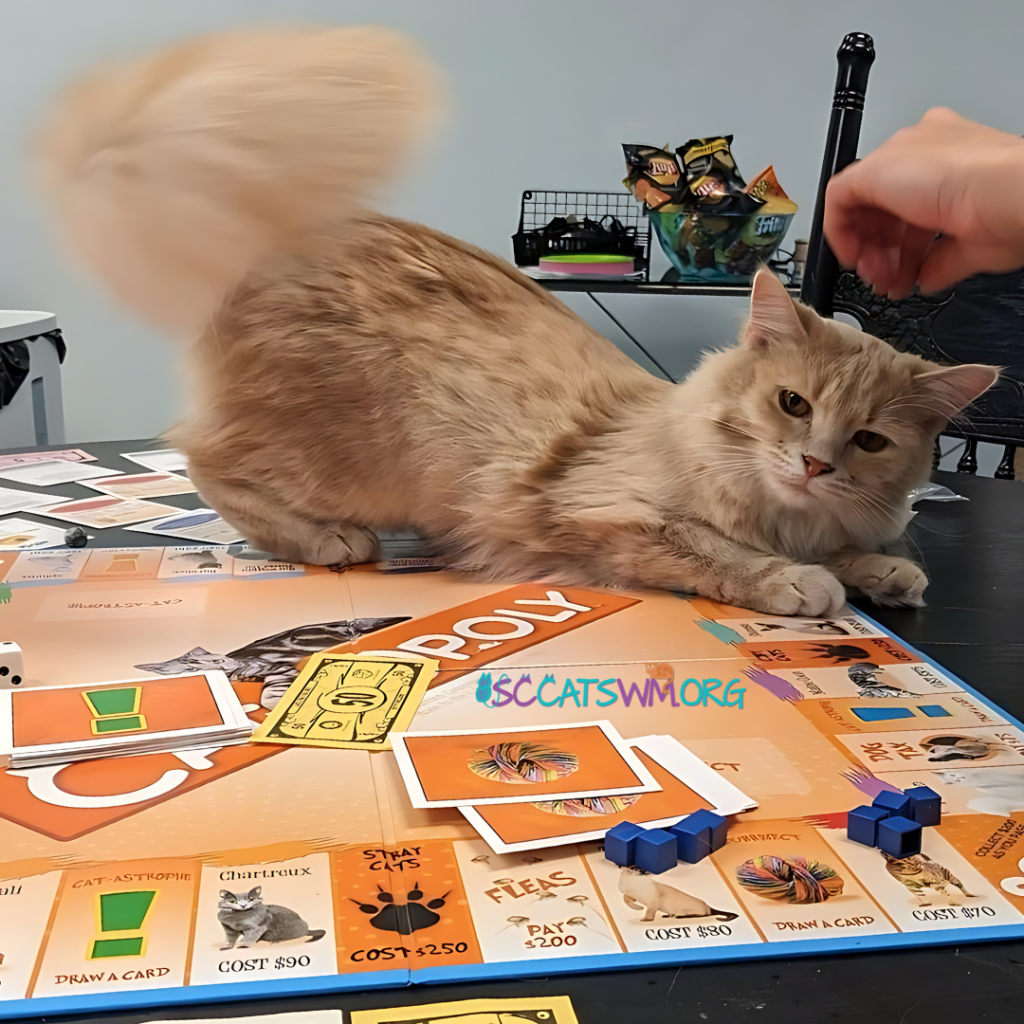
game night events in grand rapids michigan cat playing catopoly

At Second Chance Cats of West Michigan, we believe in creating a space where people and cats can connect, relax, and have fun. Our Cat Lounge in Grand Rapids is the perfect place for cat lovers to enjoy various events and activities, all while supporting our mission to find loving homes for cats in need.

Continue reading “Discover the Purrfect Cat Lounge at Second Chance Cats”

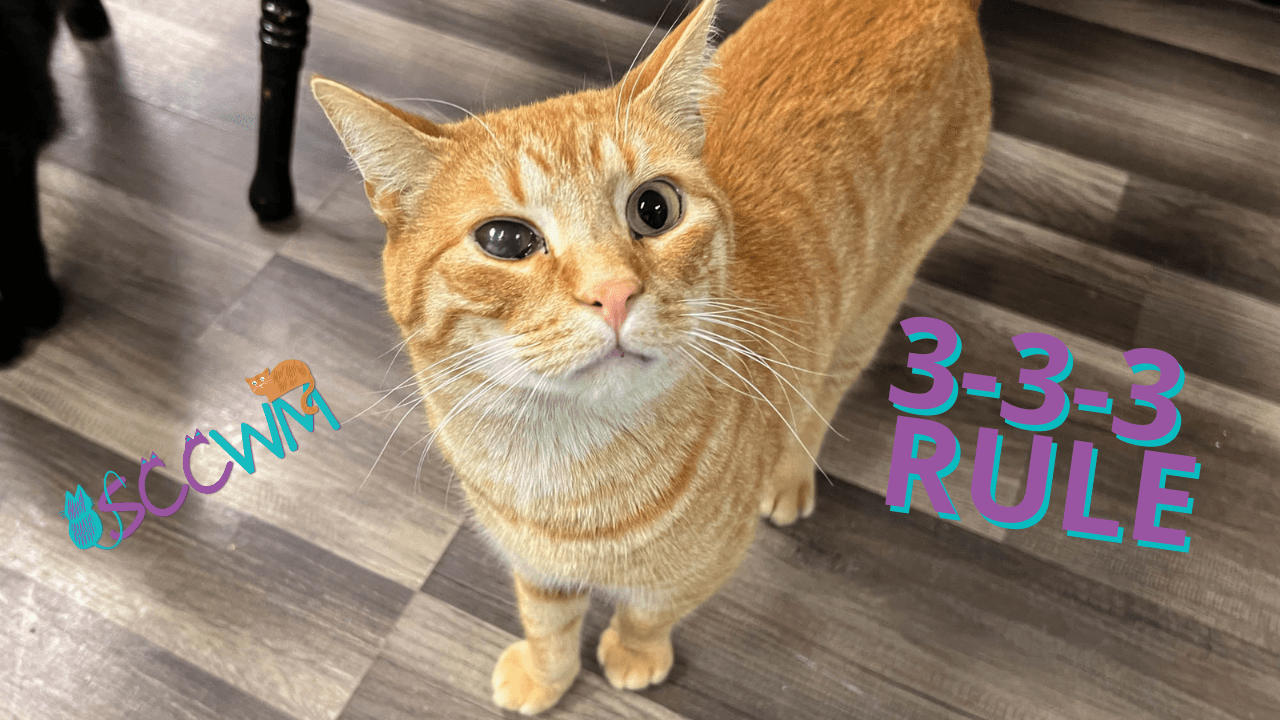
The 3-3-3 Rule for Cats: Helping Your New Feline Friend Adjust

Adopting a cat from Second Chance Cats is an exciting and rewarding experience. To help your new furry friend settle in, it’s important to understand the 3-3-3 rule. This rule outlines the typical stages a cat goes through when adjusting to a new home.

The First 3 Days: Settling In

first 3 days of a cat settling into their new home
Continue reading “The 3-3-3 Rule for Cats: Helping Your New Feline Friend Adjust”