Caring for special needs cats can be incredibly rewarding with patience and understanding. These feline companions often require extra love due to various conditions or disabilities. At Second Chance Cats of West Michigan, we rehabilitate and adopt cats to the public with special needs because we believe every cat deserves a loving home. We aim to ensure these cats receive the medical care, support, and love they need.

This guide explores tips and strategies for providing the best care for these unique cats. By adopting a special needs cat, you give them a second chance and experience the incredible bond of caring for a cat who truly needs you.
Defining Special Needs Cats
What are Special Needs Cats?

Special needs cats may have disabilities, chronic health conditions, behavioral issues, or emotional trauma. These cats require specialized care and understanding to thrive in a loving home.
Types of Special Needs in Cats
- Physical Disabilities: Blindness, deafness, amputations, mobility issues
- Chronic Health Conditions: Diabetes, kidney disease, heart disease, asthma
- Behavioral Issues: Anxiety, aggression, litter box problems
- Emotional Trauma: Fearfulness, past abuse, neglect
- Congenital Conditions: Cerebellar hypoplasia, birth defects
- Neurological Disorders: Seizures, vestibular disease
- Age-Related Issues: Arthritis, cognitive decline
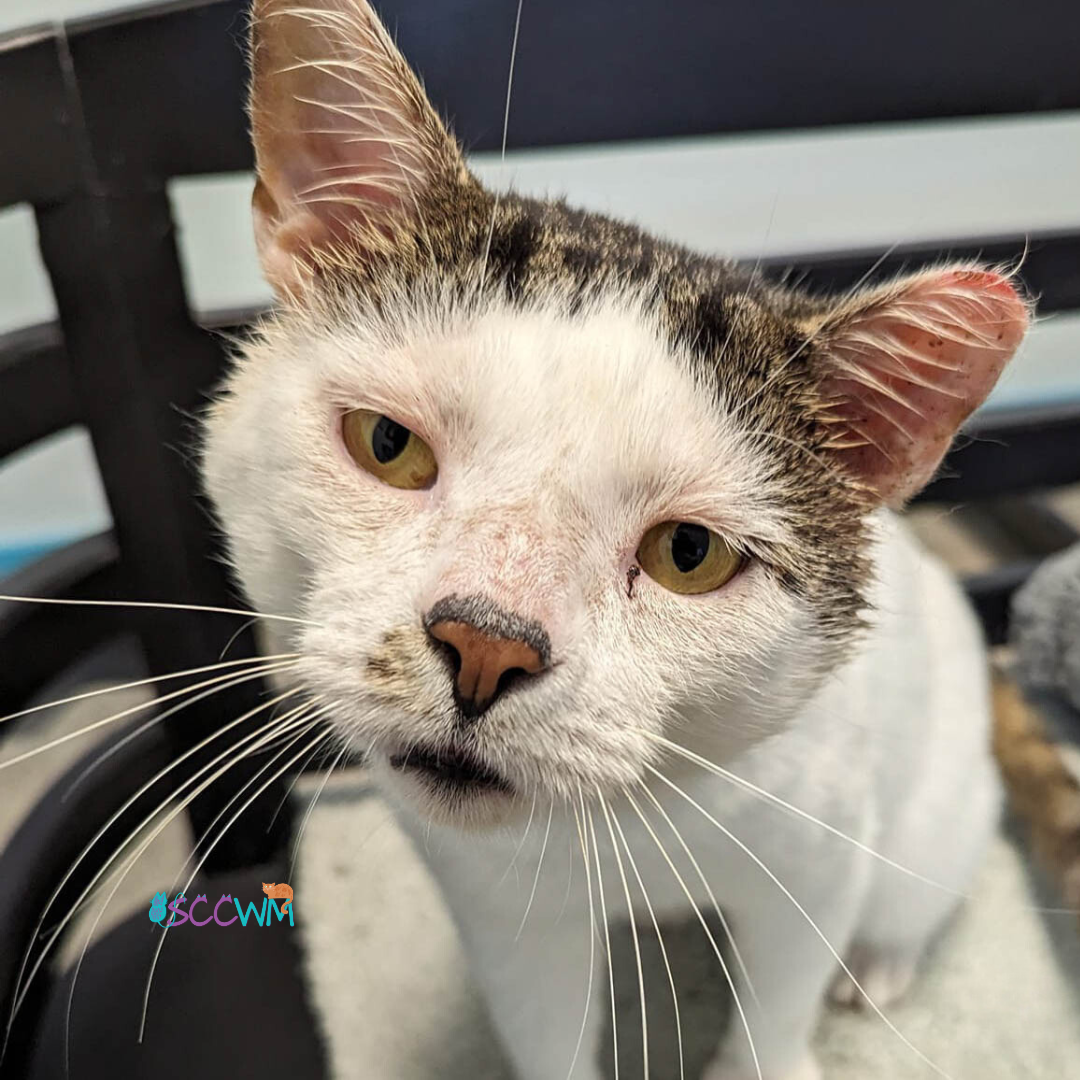
Things to Consider Before Adopting
Before adopting a special needs cat, it’s essential to consider several factors.

- Assess your ability to provide the time, patience, and resources needed for their care.
- Understand the cat’s specific medical or behavioral needs and ensure you can meet these requirements.
- Be prepared for potential ongoing veterinary costs and the emotional commitment to caring for a specially-abled pet.
- Lastly, ensure your home environment is safe and accommodating for a cat with disabilities to thrive.
Considering these factors, you can make an informed decision that benefits you and the cat.
Preparing Your Home for a Cat with Special Needs
Creating a Safe Environment

Any cat, especially those with special needs, requires a safe environment to thrive. Remove any potential hazards, such as small objects that can be swallowed, toxic plants, or dangling cords that could be hazardous to a disabled cat. Ensure that windows are secure and screens are intact to prevent any accidents. Consider investing in cat-friendly furniture that provides comfort and safety for your feline friend.
Setting Up Accessible Spaces for Disabled Cats
Creating a home that meets the unique needs of a special needs cat is essential. Start with an accessible litter box, food and water dishes at appropriate heights, and comfortable resting areas. Provide ramps or steps to help cats with mobility challenges reach higher places like beds or sofas. Making these adjustments helps your cat feel at home and comfortable.
Additional accommodations might include a lower litter box for a cat with arthritis or soft bedding for a cat with mobility issues. Consult your veterinarian to determine the best setup for your furry friend. Remember, small changes can make a big difference in creating a relaxing and supportive environment for a special needs cat.
Daily Care and Maintenance
Feeding Routines Tailored to Cats with Disabilities and Nutrition
It is crucial to provide a balanced diet and regular feeding schedule to ensure the well-being of your cat with unique needs. Little changes in their diet may significantly impact their health and energy levels, especially for pets with special needs.
Grooming
Gentle brushing and regular nail trimming are essential to grooming special-needs cats. Particular attention should be given to their fur and skin to prevent discomfort or matting.
Litter Box Setups
Requirements for litter box setup for special needs cats include a spacious and easily accessible box, potentially with lower sides for easy entry. Feeding them a high-quality diet will also help maintain healthy litter box habits.
Health and Medical Care
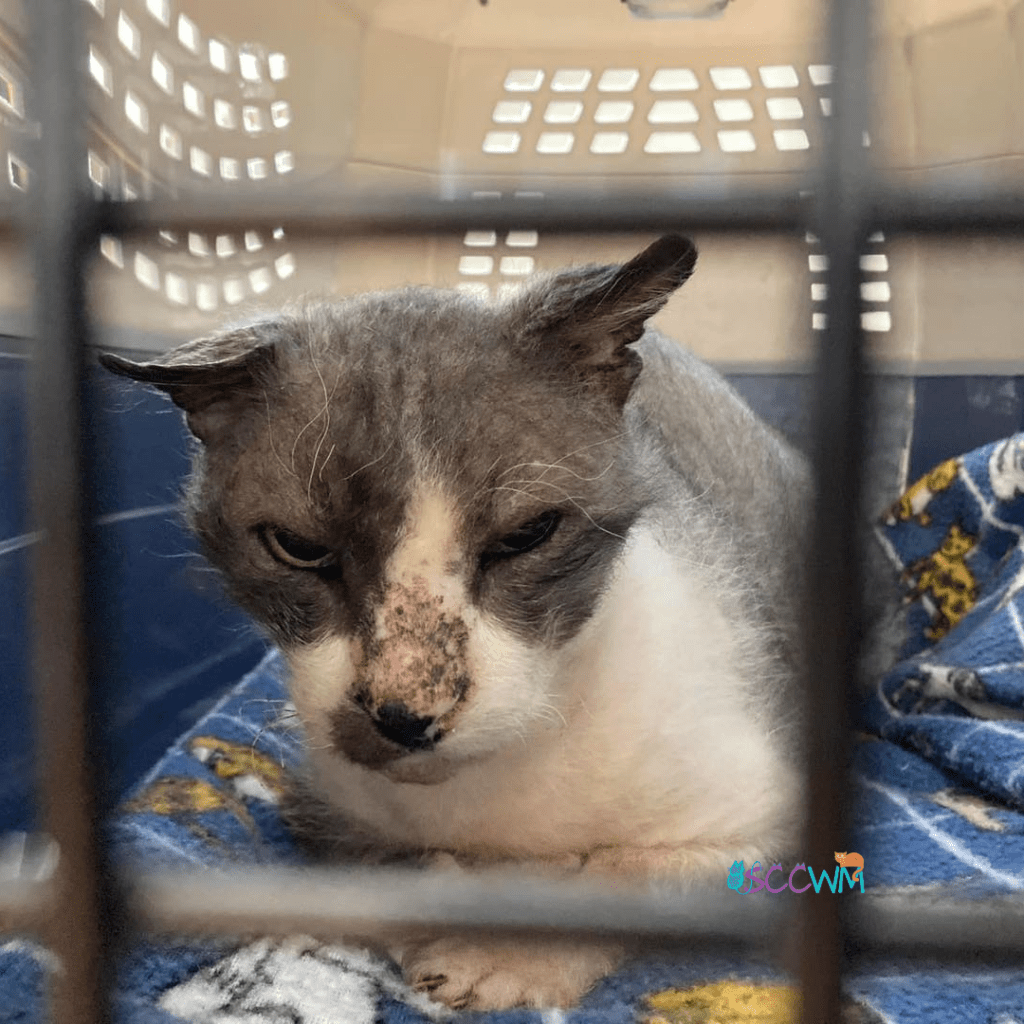
Specially-abled Pet Vet Visits
Keep your special needs cat healthy and happy by scheduling regular vet visits with a trusted veterinarian. These check-ups are vital for monitoring your kitty’s overall well-being and catching any potential health issues early on, particularly for disabled pets.
Medications and Treatments
Frequent medication and treatment administration is often necessary for special needs cats. These can include medicines for chronic conditions, physical therapy sessions, or specialized diets. Work closely with your vet to ensure your cat receives the proper care.
Preventive Care
Implement preventive measures such as dental care, parasite control, and vaccinations for your cat’s needs. The importance of preventive care cannot be overstated, as it can help prevent future health issues and keep your cat thriving.
Behavioral Support
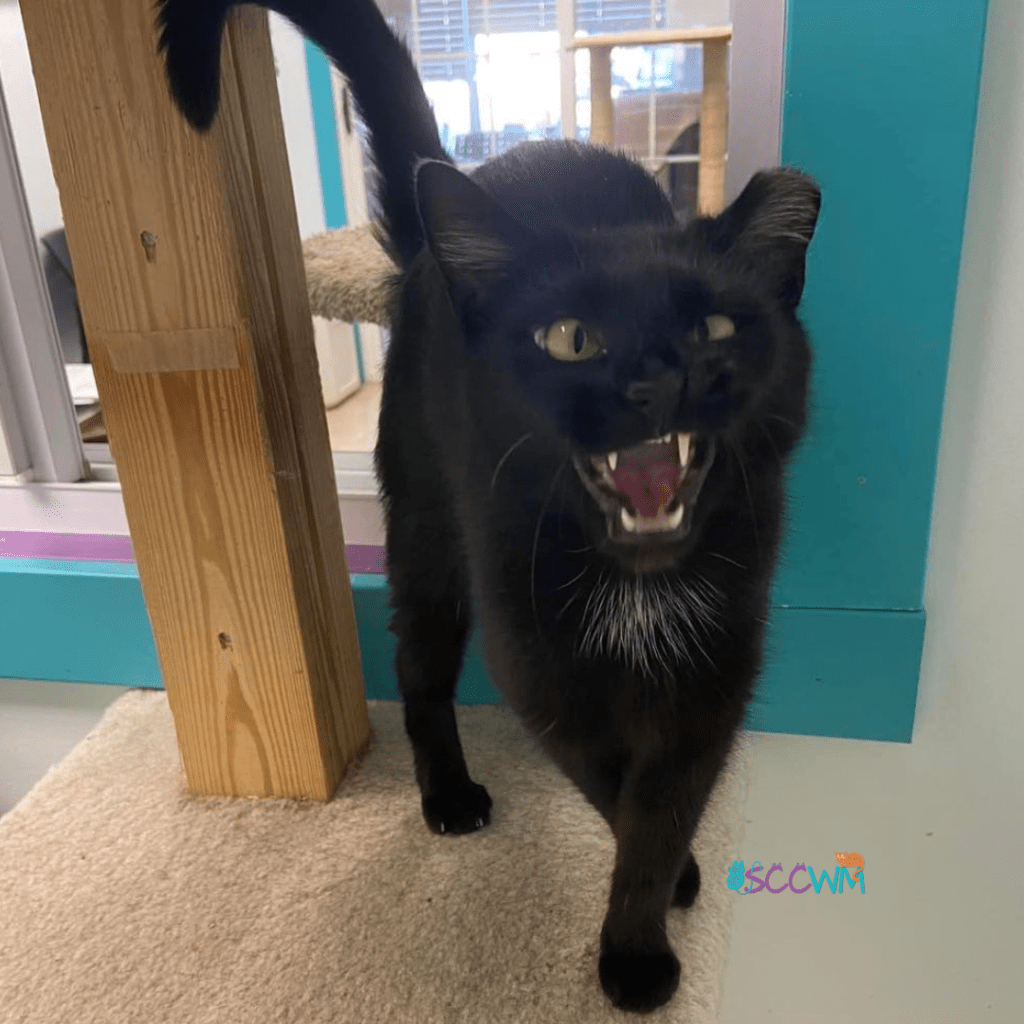
Understanding Behavioral Changes
One key aspect of caring for special needs cats is understanding their behavioral changes. Cats that have experienced traumatic experiences or have specific medical conditions may exhibit unique behaviors that require patience and compassion.
Techniques for Reducing Stress and Anxiety
To provide the best care for special needs cats, it is essential to employ techniques for reducing stress and anxiety. These can include creating safe, quiet cat spaces, using calming pheromones, and providing interactive toys for mental stimulation.
Understanding the triggers that cause stress and anxiety in special needs cats is crucial for their well-being. Observing their body language and reactions to different situations is essential to identify and address their needs.
Importance of Routine and Consistency for a Special Needs Cat
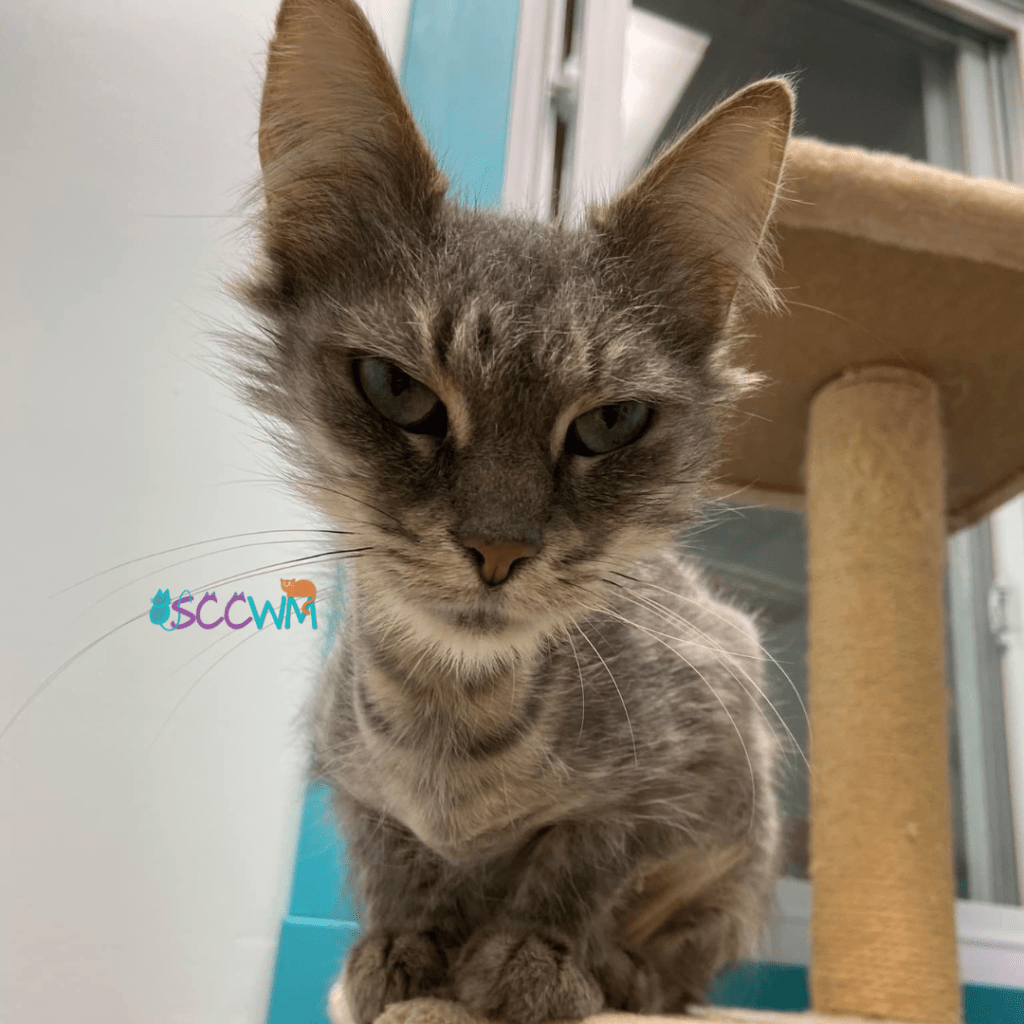
Routine changes can be challenging for special needs cats, causing stress and anxiety. Establishing a consistent schedule for feeding, playtime, and rest helps create stability and security for these vulnerable animals.
Maintaining a stable environment is crucial, as even minor disruptions can significantly impact their behavior and well-being. Caregivers can provide comfort and security for these deserving felines by prioritizing routine and consistency.
Socialization and Enrichment
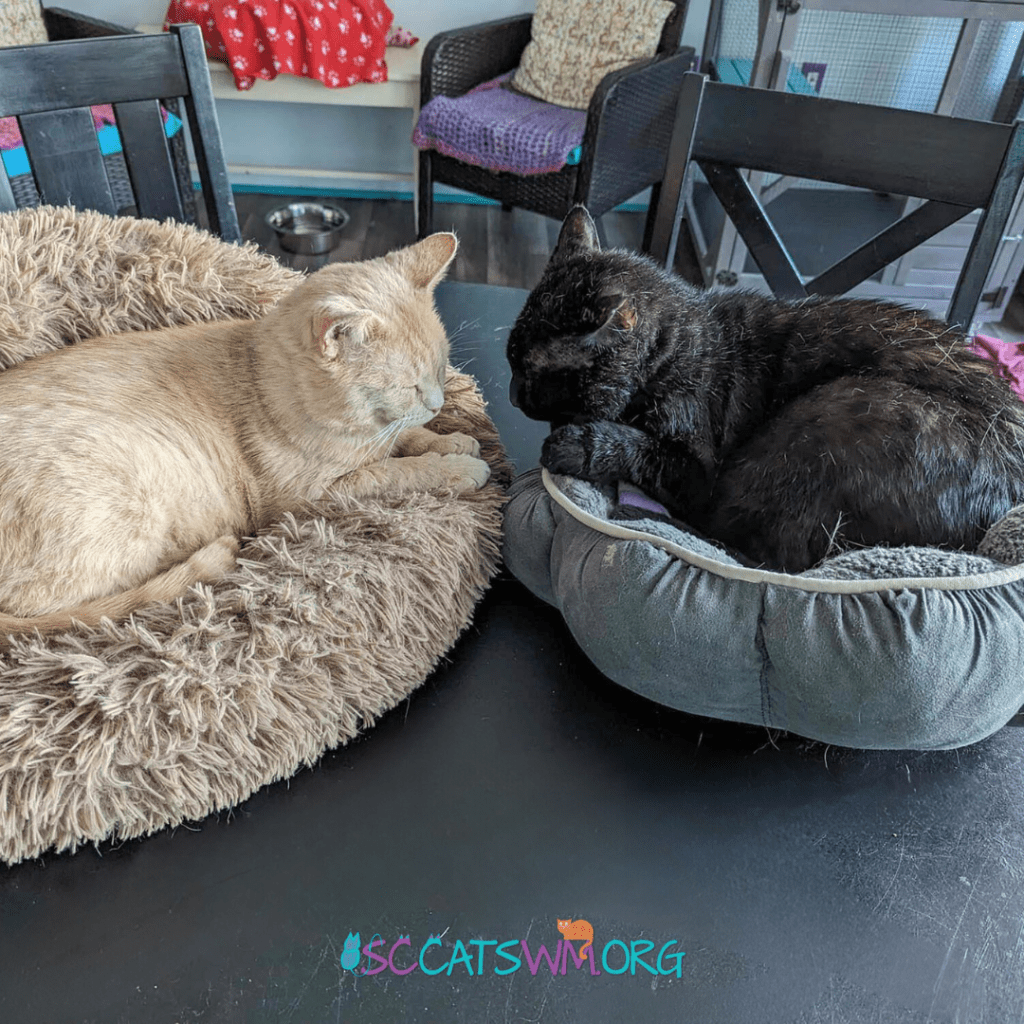
Keeping Special Needs Cats Mentally Stimulated
After adopting a special needs cat, keeping their minds engaged and happy is essential. Interactive toys, puzzle feeders, and rotating their toys can prevent boredom and keep them mentally active.
Safe Toys and Activities
Choosing safe and suitable toys is crucial for their well-being. Opt for sturdy, non-toxic toys that offer mental and physical stimulation. Avoid toys with small parts that could be swallowed. Puzzle feeders, feather wands, and laser pointers are great options for exercise and enjoyment while ensuring safety.
Importance of Companionship and Social Interaction
Regular social interaction can significantly benefit special needs cats’ mental and emotional health. Playtime, cuddling sessions, and interactive activities build trust and strengthen your bond, even for cats with physical limitations.
Managing Mobility Issues
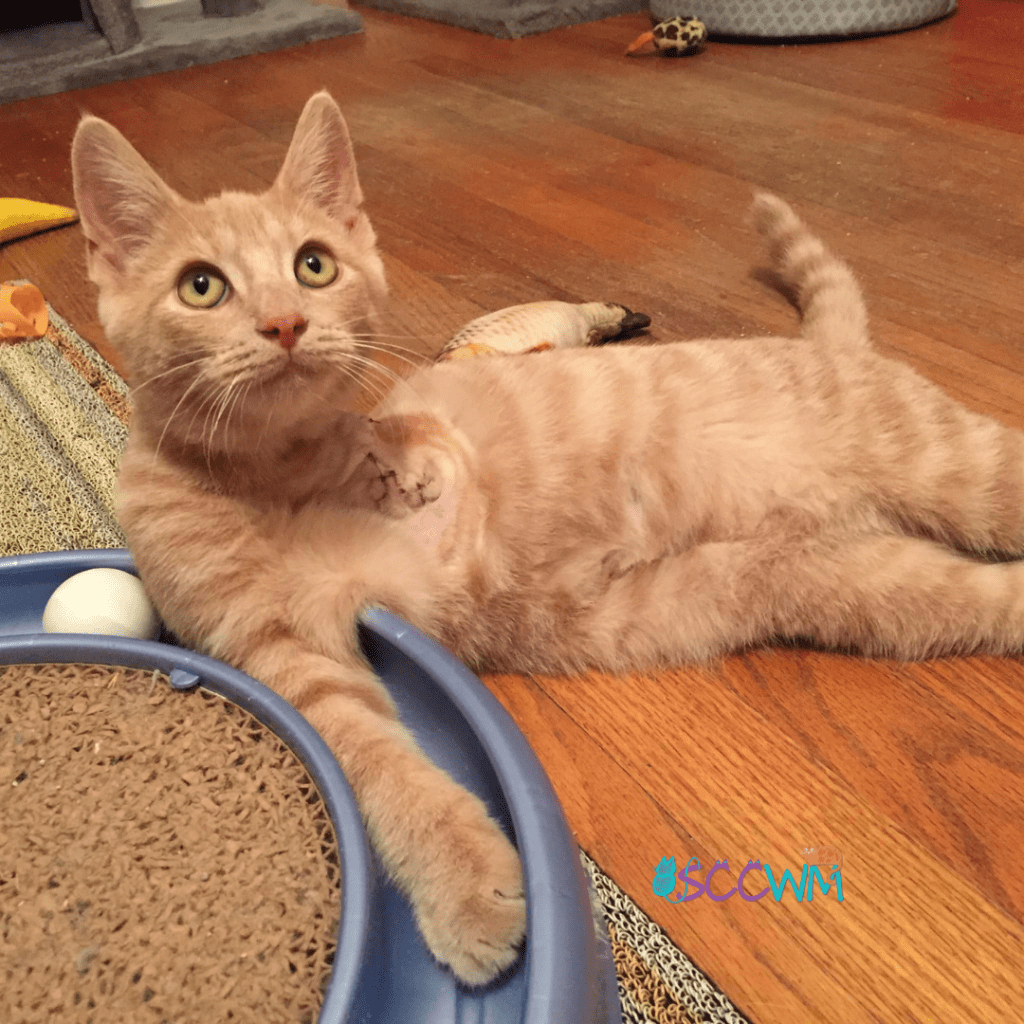
Assisting Cats with Mobility Problems
Providing the proper support is crucial for cats with mobility issues. Before making decisions, consult experts and resources. For more guidance, check out What You Need to Consider Before Adopting a Special Needs Cat.
Creating a Mobility-Friendly Environment
Mobility significantly affects a special needs cat’s quality of life. Creating a mobility-friendly environment means removing obstacles, providing ramps, and ensuring litter boxes are easily accessible. Ensuring your space is safe and accessible will significantly enhance your cat’s daily life.
Sensory Considerations
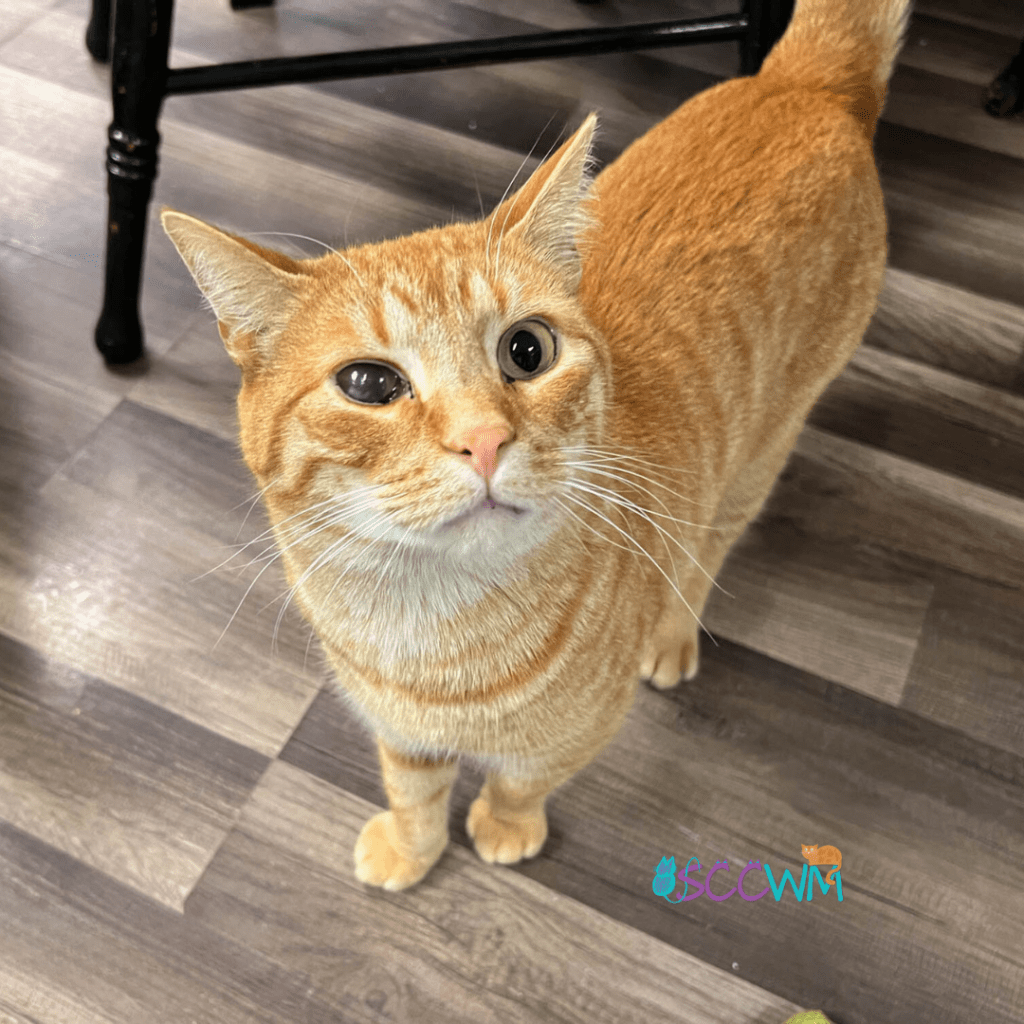
Many cats in shelters, like those at Second Chance Cats of West Michigan, may have sensory impairments that require extra care. With patience and understanding, these cats can live fulfilling lives with the proper support.
Creating a Sensory-Friendly Environment
Sensory impairments like hearing or vision loss can affect a cat’s quality of life. Tailoring their environment to their needs can make a significant difference. For blind cats, providing vertical spaces to climb and explore helps them feel secure. For deaf cats, tactile toys and visual signals can enhance their playtime and communication. These adjustments can significantly improve their well-being and happiness.
Managing Chronic Illnesses
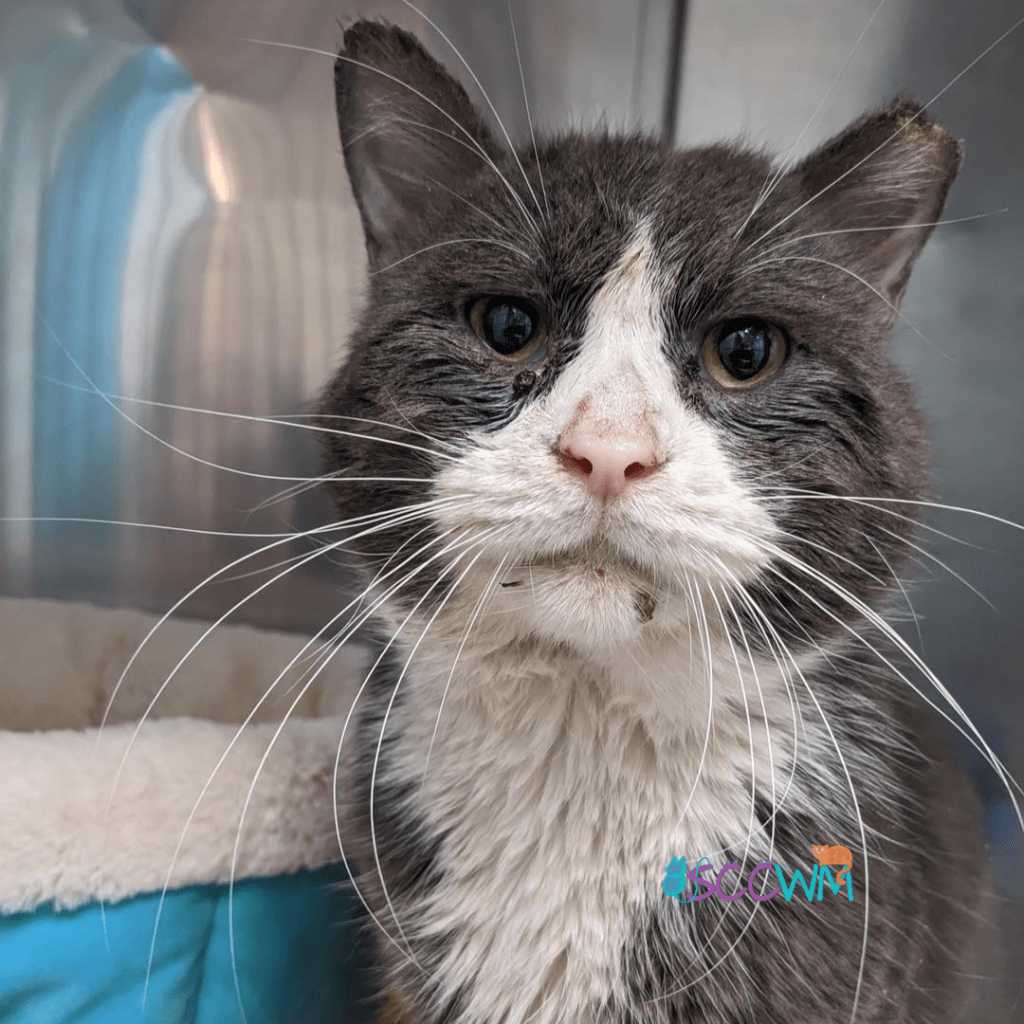
Caring for Cats with Disabilities like Diabetes
Not all cats are the same; some may require extra care due to chronic illnesses. Managing chronic conditions such as diabetes in cats can be challenging, but with proper care, these cats can live happy and healthy lives. Diabetes in cats requires consistent monitoring of blood glucose levels, insulin injections, and a carefully managed diet.
Caring for Cats with FIV
Caring for cats with Feline Immunodeficiency Virus (FIV) can also affect cats with special needs, adding another layer of care. It involves providing regular veterinary check-ups, a nutritious diet, and a stress-free environment. While FIV weakens the cat’s immune system, with proper care, these cats can still lead fulfilling lives.
Overcoming Common Challenges

Managing Accidents and Setbacks
Even in a loving environment, accidents and setbacks can happen with special needs cats. It’s essential to remain patient and understanding when these occur, as these cats may have unique challenges that require extra care and attention. Stay calm, assess the situation, and adjust your approach to meet their needs better.
Coping with Emotional Burnout
Caring for special needs cats can be demanding and sometimes overwhelming. It’s crucial to recognize and address emotional burnout. It’s also important to take breaks, seek support from others, and practice self-care to maintain your well-being. This ensures you can continue providing the best care for your feline companions.
Final Words
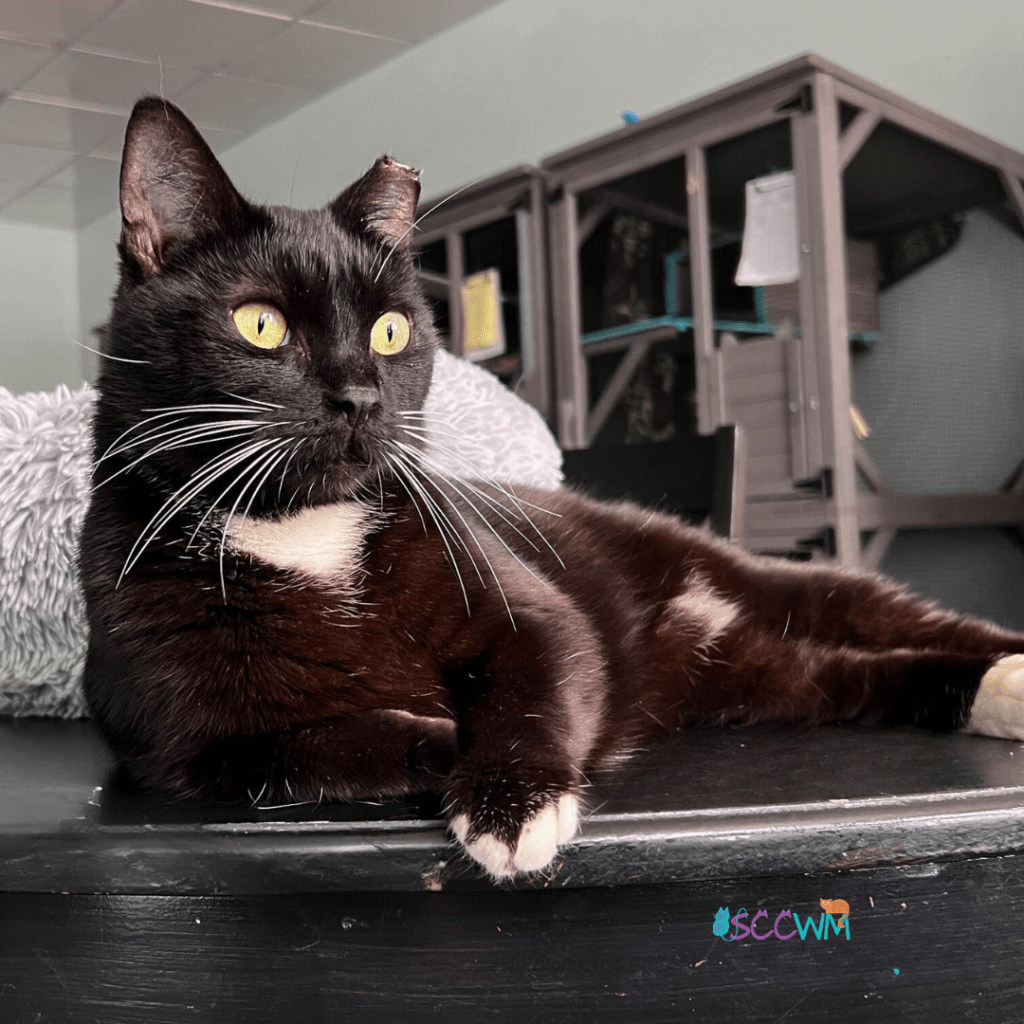
Caring for special needs cats can be an enriching experience filled with love and support. By providing a safe and nurturing environment, understanding their unique needs, and offering patience and compassion, these cats can thrive and bring immense joy to your life. Remember, these cats deserve a second chance, and with your care and dedication, they can live happily ever after.
Contact Information for Second Chance Cats of West Michigan
If you want to help special needs cats find loving homes, contact Second Chance Cats of West Michigan. Email us at info@sccatswm.org for more information on our adoption process and how you can support our mission. Together, we can make a difference in the lives of these deserving animals.

 Second Chance Cats of WM
i need help dealing with a cat who pees and poops, not only outside the litter box, but does it in front of my bedroom door. I have two older cats that always uses the litter boxes. Three cats, 4 litter boxes, that are cleaned out at least once a day. She had been to a vet and there is no medical reason for the behavior. Even after 2 years, the female cats don’t tolerate each other. Mostly it is the younger cat who instigates the conflict.
I have a pheromone plug in and give them Rescue Remedy. I need help with this situation. What else can I do?
LikeLike
Dealing with a cat that urinates and defecates outside the litter box can be stressful. Here are some steps to help manage the situation:
Separate the Cats: Try to keep the cats separated to reduce tension and conflicts. Use baby gates or separate rooms.
Add More Litter Boxes: Even though you have four litter boxes, adding more can help. Place them in different locations around the house.
Change Litter Box Locations: Ensure litter boxes are in quiet, easily accessible areas, away from food and water.
Try Different Litter: Some cats are picky about litter texture. Experiment with different types to find one your cat prefers.
Create Positive Associations: Use treats and praise to encourage your cat to use the litter box.
Use Enzyme Cleaners: Clean soiled areas thoroughly with enzyme cleaners to remove odors that might attract your cat back to the same spot.
Provide Safe Spaces: Ensure each cat has its own safe space with food, water, and a litter box to reduce stress.
Consult a Behaviorist: If the problem persists, consider consulting a feline behaviorist for personalized advice.
For more resources, visit our cat care section on our website.
Stay patient and consistent, and good luck!
LikeLike